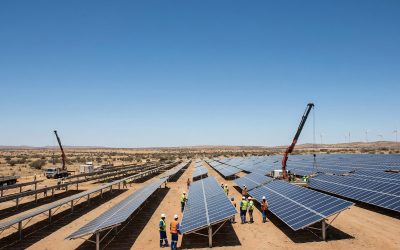
Technology is transforming manufacturing industries worldwide, and Nigeria is no exception. With advancements in automation, digital tools, and smart manufacturing systems, Nigerian industries are leveraging technology to improve efficiency, reduce costs, and boost competitiveness. As the country seeks to diversify its economy beyond oil, technology-driven manufacturing offers a pathway to sustainable growth and global relevance. This article explores how technology is modernizing Nigeria’s manufacturing sector, the challenges it faces, and the opportunities it presents.
The Role of Technology in Manufacturing
1. Automation and Robotics
Automation is revolutionizing manufacturing processes in Nigeria by streamlining operations and improving output quality. Automated production lines in industries like food processing and textiles reduce human error and enhance productivity. For instance, breweries in Lagos have adopted automated bottling systems, significantly increasing production capacity.
2. Digitalization and Smart Manufacturing
Smart manufacturing, driven by the Internet of Things (IoT) and data analytics, allows manufacturers to monitor operations in real time. Companies in Nigeria’s cement industry use IoT-enabled sensors to track equipment performance and prevent downtime, optimizing efficiency and reducing operational costs.
3. Additive Manufacturing (3D Printing)
3D printing is enabling Nigerian manufacturers to produce prototypes, tools, and customized products at lower costs. This technology has found applications in sectors such as healthcare, where it is used to create medical devices, and in architecture, where it aids in rapid prototyping.
4. E-Commerce Integration
Technology is also connecting manufacturers directly with consumers through e-commerce platforms. By bypassing traditional distribution channels, manufacturers can access wider markets, reduce overheads, and respond quickly to customer demands.
Success Stories of Technology in Nigerian Manufacturing
1. BUA Group’s Cement Operations
BUA Group, a leader in Nigeria’s cement industry, has invested in advanced technology to automate production processes and enhance energy efficiency. These innovations have allowed the company to compete with global players while meeting domestic demand.
2. Innoson Vehicle Manufacturing (IVM)
IVM, Nigeria’s first indigenous automobile manufacturer, integrates cutting-edge technology in its assembly lines to produce affordable vehicles tailored to local needs. The company’s use of local materials and smart manufacturing systems exemplifies technology-driven industrial growth.
3. Farmcrowdy’s Agro-Processing Model
Farmcrowdy, a Nigerian agritech company, uses technology to support agro-processing businesses. By connecting farmers with processing facilities through a digital platform, the company streamlines supply chains and reduces post-harvest losses.
Challenges in Technology Adoption
1. High Initial Costs
Implementing advanced technology requires significant investment, which many manufacturers find prohibitive. Access to affordable financing is critical for facilitating technology adoption.
2. Limited Technical Expertise
The shortage of skilled professionals capable of operating and maintaining advanced systems hinders technology integration. Training programs and partnerships with educational institutions are essential for building a skilled workforce.
3. Infrastructure Deficiencies
Unreliable electricity and poor internet connectivity pose significant challenges to technology-driven manufacturing. Addressing these infrastructure gaps is crucial for maximizing the benefits of technological advancements.
4. Resistance to Change
Some manufacturers remain hesitant to adopt new technologies due to concerns about upfront costs, complexity, or potential job losses. Awareness campaigns and pilot projects can demonstrate the long-term benefits of modernization.
Opportunities for Growth
1. Government Support and Policies
The Nigerian government’s initiatives, such as the National Industrial Revolution Plan (NIRP), promote technology adoption in manufacturing. Incentives like tax breaks and grants can further encourage investment in modern systems.
2. Collaboration with Tech Startups
Tech startups in Nigeria are developing innovative solutions tailored to local challenges. Collaborating with these startups can provide manufacturers with affordable and customized technologies.
3. Export-Oriented Manufacturing
Technology can help Nigerian manufacturers meet international quality standards, opening up opportunities for export growth. Sectors such as textiles, agro-processing, and automotive have significant potential for global expansion.
4. Regional Integration
The African Continental Free Trade Area (AfCFTA) offers a platform for Nigerian manufacturers to access wider markets. By leveraging technology, they can compete effectively within the region and beyond.
The Future of Manufacturing in Nigeria
The integration of technology in manufacturing is reshaping Nigeria’s industrial landscape. As automation, digitalization, and smart systems become more prevalent, the sector is poised to achieve higher productivity, reduced costs, and enhanced global competitiveness. While challenges remain, targeted investments in technology, infrastructure, and workforce development can unlock the sector’s full potential, driving sustainable growth and economic diversification.
Conclusion
Technology is modernizing Nigeria’s manufacturing sector, enabling industries to improve efficiency, reduce costs, and compete globally. By addressing challenges such as high costs and skill shortages, the sector can fully embrace the benefits of automation, digital tools, and smart manufacturing systems. With continued support from the government and private sector, technology-driven manufacturing will play a vital role in Nigeria’s journey toward economic diversification and industrial excellence.
Discover how technology is transforming Nigeria’s manufacturing sector. Learn about automation, smart manufacturing, and opportunities for growth in the tech-driven industrial landscape.
Manufacturing in Nigeria, technology in industry, automation, smart manufacturing, Nigerian economy, industrial modernization, 3D printing, IoT in manufacturing
Sources:
National Bureau of Statistics: Industrial Sector Report
https://www.nigerianstat.gov.ng
BUA Group: Cement Industry Innovations
https://www.buagroup.com
Farmcrowdy: Digital Agro-Processing Solutions
https://www.farmcrowdy.com