Public-Private Partnerships (PPPs) are becoming a cornerstone for industrial development in West Africa. By combining the resources, expertise, and efficiency of the private sector with the strategic oversight of the public sector, PPPs enable the development of critical infrastructure, foster innovation, and create jobs. In a region where industrialization is vital for economic growth, PPPs provide a sustainable model for addressing challenges such as limited funding, inadequate infrastructure, and bureaucratic inefficiencies. This article examines how PPPs are advancing industries in West Africa, the challenges they face, and the opportunities for scaling their impact.
The Importance of PPPs in Industrial Development
West Africa faces significant challenges in industrializing its economies, including underdeveloped infrastructure, limited access to capital, and reliance on informal sectors. PPPs offer a viable solution by leveraging private sector investment and expertise to develop large-scale projects that would be difficult for governments to finance and manage alone. From energy production and transportation to manufacturing and technology, PPPs are driving industrial growth across the region.
Examples of Successful PPPs in West Africa
1. Senegal’s Toll Road Project
The Dakar-Diamniadio Toll Road, developed through a PPP, has transformed transportation in Senegal. By connecting Dakar to industrial hubs and rural areas, the project has reduced travel times, improved logistics, and boosted economic activity.
2. Nigeria’s Lekki Free Trade Zone (LFTZ)
The LFTZ is a prime example of how PPPs can drive industrialization. This multi-billion-dollar initiative involves collaborations between the Nigerian government and private investors to create a hub for manufacturing, trade, and logistics. The project has attracted foreign investment and created thousands of jobs.
3. Ghana’s Renewable Energy Projects
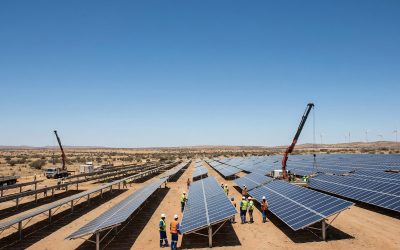
In Ghana, PPPs have played a pivotal role in expanding renewable energy capacity. Partnerships between the government and private firms, such as the Ayitepa Wind Farm project, are increasing access to sustainable energy, enabling industrial zones to operate efficiently.
How PPPs Are Transforming West African Industries
Infrastructure Development
PPPs are addressing critical infrastructure gaps by financing and managing projects such as roads, ports, and industrial parks. These developments provide the backbone for industrial growth by facilitating trade, reducing production costs, and improving supply chain efficiency.
Technology Transfer and Innovation
Private sector partners often bring cutting-edge technologies and expertise to PPP projects. In the manufacturing sector, for instance, technology transfer through PPPs is enabling local industries to adopt modern production techniques and improve competitiveness.
Job Creation
Large-scale PPP projects create employment opportunities across various sectors, from construction and logistics to manufacturing and services. The skills gained by workers during these projects also enhance the local labor market, contributing to long-term economic development.
Boosting Foreign Investment
Successful PPPs signal to international investors that West Africa is a viable destination for investment. Transparent and well-executed partnerships build confidence in the region’s industrial potential, attracting additional private capital.
Challenges Facing PPPs in West Africa
1. Regulatory and Policy Barriers
Inconsistent regulations and bureaucratic inefficiencies can delay or derail PPP projects. Clear legal frameworks and streamlined processes are essential for encouraging private sector participation.
2. Limited Local Capacity
While private partners often bring expertise, local governments may lack the capacity to negotiate and manage complex PPP agreements. Capacity-building initiatives are needed to equip public officials with the skills to oversee these projects effectively.
3. Financing Constraints
Although PPPs aim to leverage private investment, securing initial funding can be challenging, especially for high-risk projects. Innovative financing mechanisms, such as blended finance and guarantees, can help mitigate these risks.
4. Public Resistance
Some PPP projects face resistance from communities due to concerns about high service costs or environmental impact. Effective stakeholder engagement and transparent communication can address these issues.
Strategies for Scaling PPP Impact
1. Strengthening Legal and Institutional Frameworks
Governments should establish clear policies and guidelines for PPPs, ensuring transparency and accountability. Dedicated PPP units within government agencies can streamline project development and management.
2. Enhancing Local Content
Encouraging the use of local materials, labor, and expertise in PPP projects can maximize their economic benefits and foster industrial development.
3. Leveraging Regional Collaboration
Cross-border PPPs, supported by organizations like ECOWAS, can address shared infrastructure needs and enhance regional integration. Projects such as transnational railways and energy grids can unlock significant economic potential.
4. Promoting Knowledge Sharing
Platforms for sharing best practices and lessons learned from successful PPPs can help governments and private partners replicate success across the region.
Conclusion
Public-Private Partnerships are unlocking the industrial potential of West Africa by addressing infrastructure gaps, fostering innovation, and creating economic opportunities. While challenges such as regulatory barriers and financing constraints persist, strategic investments in capacity building, legal frameworks, and regional collaboration can enhance the impact of PPPs. As West Africa continues to pursue industrialization, PPPs will remain a vital tool for driving sustainable and inclusive growth, ensuring the region’s industries can compete on a global scale.
Explore how public-private partnerships are driving industrial growth in West Africa. Learn about their impact on infrastructure, innovation, and job creation, and strategies for overcoming challenges.
Public-private partnerships, PPPs in West Africa, industrial growth, infrastructure development, West African economy, Lekki Free Trade Zone, technology transfer, regional collaboration
Sources:
World Bank: Public-Private Partnerships in Africa
https://www.worldbank.org/en/news/ppp-africa
Dakar-Diamniadio Toll Road Case Study
https://www.pppknowledgelab.org
African Development Bank: PPP Initiatives
https://www.afdb.org/en/projects-ppps