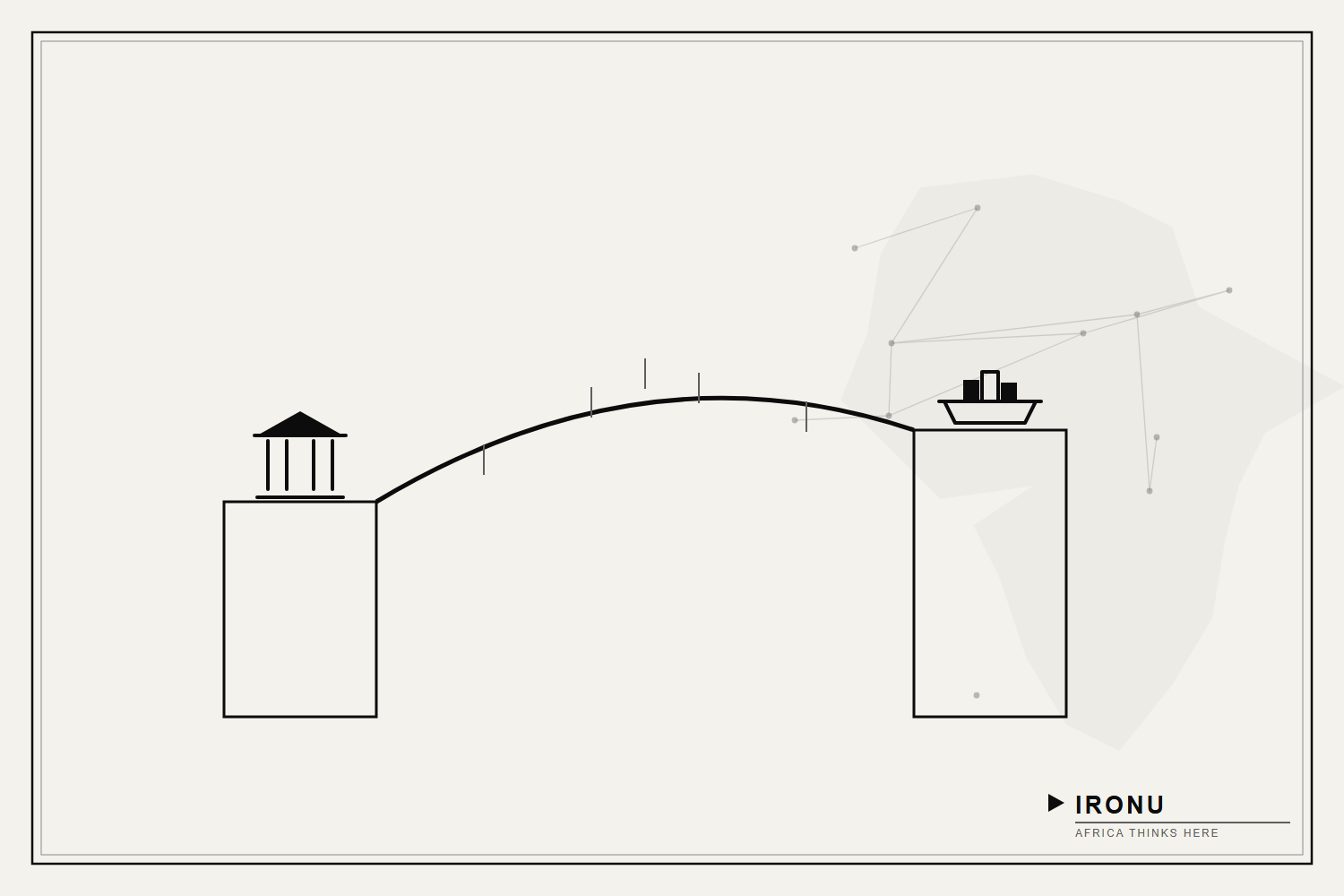

Bridges are usually explained as engineering, but they are financed as risk. The Senegambia Bridge, now open across the River Gambia, replaces a ferry bottleneck on the Trans-Gambia corridor with a fixed link — and behind that concrete sits a question every operator and financier should be asking this week: who put up the capital, who carries the risk if traffic or maintenance disappoints, and whether local firms can find a place inside the structure rather than merely using the road on top of it.
The Anchor: The Asset And Its Backer
The crossing is a cross-river fixed link that cuts transit time between northern and southern Senegal, with expected gains in freight, tourism and regional mobility. It was delivered with African Development Bank support, and the Bank has described it as a symbol of regional integration in West Africa. That backing matters for the finance story: development-bank capital typically underwrites infrastructure whose social returns — trade, mobility, integration — exceed what a purely commercial lender would fund against uncertain tolls.
Understanding the funding structure is not academic. It shapes who bears the downside, how the asset is maintained, and what commercial opportunities open around it. A bridge financed for regional public benefit carries different incentives and different risk allocation than one built to a strict toll-revenue model, and operators positioning nearby should read that difference before committing. Follow the capital, and the incentives around the asset become legible.
The Risk Allocation And The Demand Question
The finance lens turns quickly to demand, because a fixed link only rewards its backers if it is used. The relevant demand is freight and passenger traffic seeking a faster crossing between the halves of Senegal and along the ECOWAS road network — customers who were previously rationed by the ferry’s capacity and unpredictability. Removing that constraint should convert latent demand into realised trips, but the pace depends on factors outside the structure: border handling, tolling, and whether shippers trust the new reliability enough to reroute.
Risk in this arrangement is layered. Construction risk has largely passed with the opening the Reuters report documents; the live risks now are traffic, maintenance and cross-border efficiency. Whoever holds those risks — the state, the financier, or a concession — determines the bankability of everything built around the bridge. For a Gambian firm, the practical question is whether the financing and operating structure leaves room to supply maintenance, services or logistics under contract. The bridge is built; the risk on its use has only just begun.
The Regional Meaning For The Gambia
For The Gambia, the capital story reframes the country as a host of financed regional infrastructure rather than a bystander to it. Development finance flowing into a Gambian asset that serves Senegal and the wider region positions the country to capture dalasi-denominated value — service contracts, logistics, warehousing and roadside commerce — provided local firms can enter the financing and supply chain rather than watching it pass overhead. The link strengthens a strategic corridor connecting Senegal, The Gambia and the ECOWAS network, and regional assets of this kind can seed local financial and commercial ecosystems if the structure allows participation.
The broader lesson is that infrastructure integration is, at bottom, a question of who is allowed into the capital stack. A road that locals only drive on delivers less than a road they also finance, maintain and service. The Gambia’s opportunity is to move from user to participant. Access to the financing structure, not just the asphalt, is where lasting local value is won.
What The Operator Should Do Now
The decision for a Gambian or regional operator is to find the entry point that matches the risk on offer. The clearest plays sit alongside the demand the bridge unlocks — transport, freight services, warehousing and roadside commerce that grow with traffic — and in the maintenance and services the asset will need over its life, where contracts may be available to local firms. Heavier, longer-dated exposure should wait on clarity about tolling, traffic and who carries the demand risk.
Monitor two things: whether traffic builds toward the volumes the financing assumed, and whether the operating structure opens genuine slots for local participation. Where both hold, the Senegambia Bridge is not just a road but a place in a regional capital story worth entering; where they do not, supply the demand and leave the balance-sheet risk to those equipped to carry it. Enter where the demand is proven and the risk is priced to your capacity.