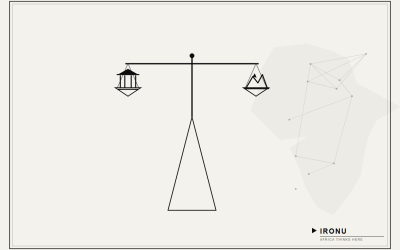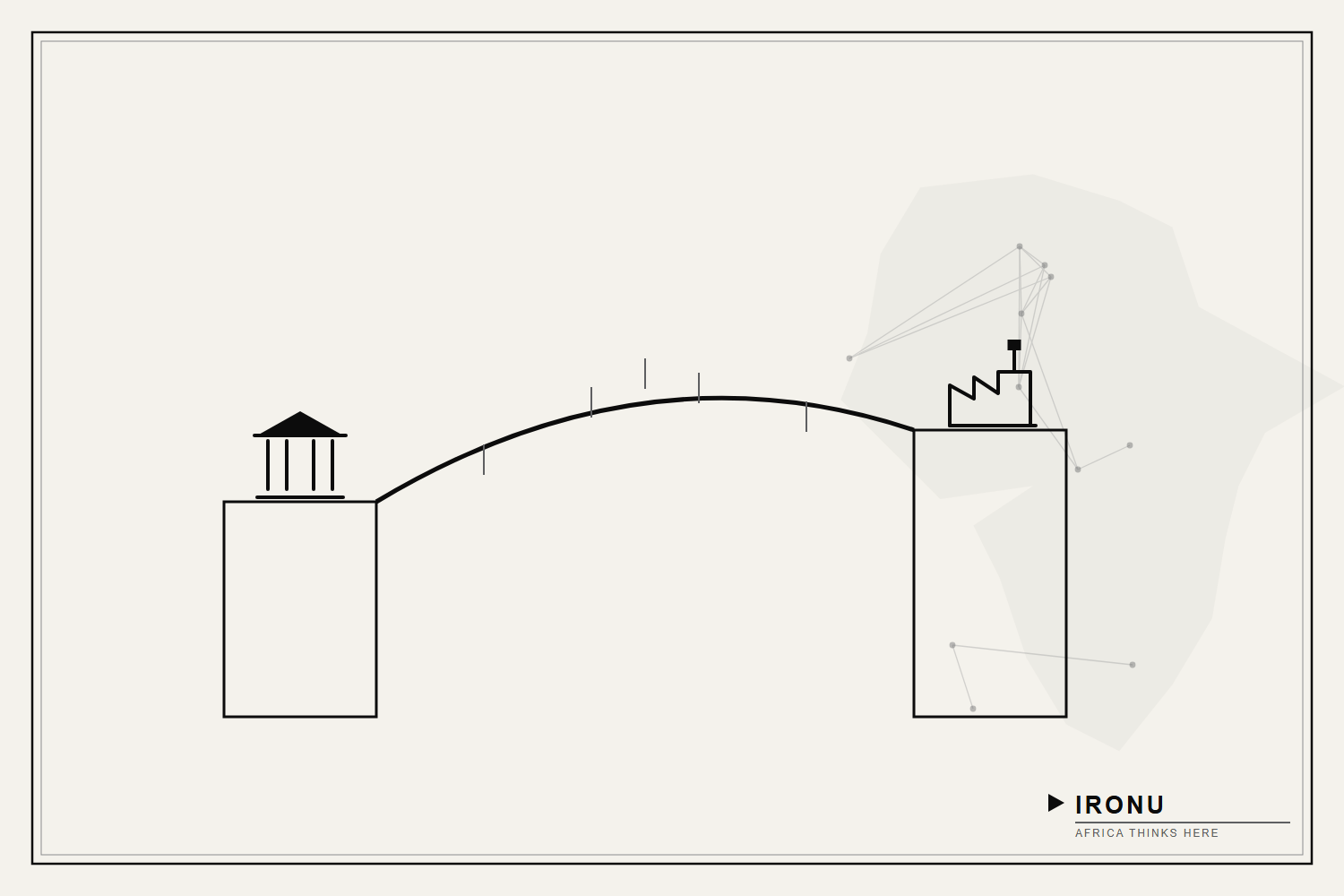

Every West African economy that has struck offshore oil has faced the same intellectual problem before the first fiscal question: is this a repeatable model or a one-off windfall. Senegal now confronts it directly. This week’s first oil at the Sangomar field, targeting production near 100,000 barrels per day, did more than add barrels to the national accounts; it introduced a template — fiscal, contractual and industrial — that other actors will study and try to copy. The contradiction at the centre of that template is worth stating plainly: the model looks transferable precisely because it is standardised offshore engineering, yet its returns depend on national assumptions that do not transfer at all.
The operator’s record of first oil at Sangomar captures the visible milestone. The more durable question, through an analytical lens, is which parts of the Sangomar model travel across West Africa and which parts fail the moment they cross a border.
The Framework: What Sangomar Standardises
The engineering logic of a deepwater FPSO is close to portable. The vessel, the subsea architecture and the offshore-services supply chain follow international standards that read the same off Senegal, Ghana or Côte d’Ivoire. That is why the development lifted regional demand for offshore services rather than purely national capacity. The strategic model — attract an international operator, hold a state stake, build a local supply chain around a floating asset — is now a documented West African playbook, not a Senegalese secret.
The hardware is a template. The rig off Dakar could be re-specified for another basin with the same manual.
The Assumptions That Do Not Travel
What does not transfer is everything onshore. Sangomar’s value to Senegal rests on country-specific variables: the fiscal terms negotiated, the strength of the tax administration that collects them, the CFA-franc framework managed through the BCEAO, and the local content that firms can actually capture. Change the country and every one of those assumptions resets. A neighbour with weaker fiscal institutions or thinner local capacity can copy the FPSO and still capture far less of the value. The intellectual error to avoid is treating the visible engineering success as if it were the whole model.
The World Bank’s Senegal analysis has repeatedly located the difference between resource windfall and lasting gain in institutions, not geology. Sangomar is a live demonstration of that thesis.
The rig is portable; the governance that makes it pay is not.
The Second-Order Effects
The subtler transfer is behavioural. First oil changes how investors, lenders and service firms across the region price West African offshore opportunity — it raises confidence in the basin and in the standardised model that delivered it. That is a second-order effect with real value: the next Senegalese or regional project is easier to finance because Sangomar reduced the perceived execution risk of the template. The intellectual property here is less a patent than a proven method and a track record.
The most valuable thing Sangomar exports is not oil; it is a credible playbook.
The Regional Frame
For an operator or investor scanning the wider ECOWAS and WAEMU coast, Sangomar is best read as a case study with clearly separated variables: portable engineering, non-portable governance. Applied honestly, it tells you where a comparable field is likely to succeed — where fiscal and institutional strength matches the engineering — and where it is likely to disappoint despite identical hardware.
The operator decision is analytical discipline. Before financing, supplying or entering the next offshore opportunity, isolate which of Sangomar’s assumptions are structural and which are Senegal-specific, and stress-test the local ones against the target market. The field proves the model works. It does not promise the model works everywhere — and knowing the difference is the whole edge.