
Economics – Trade & AfCFTA · Editorial
By Moakanyi Magazine · China-in-Africa · June 2026
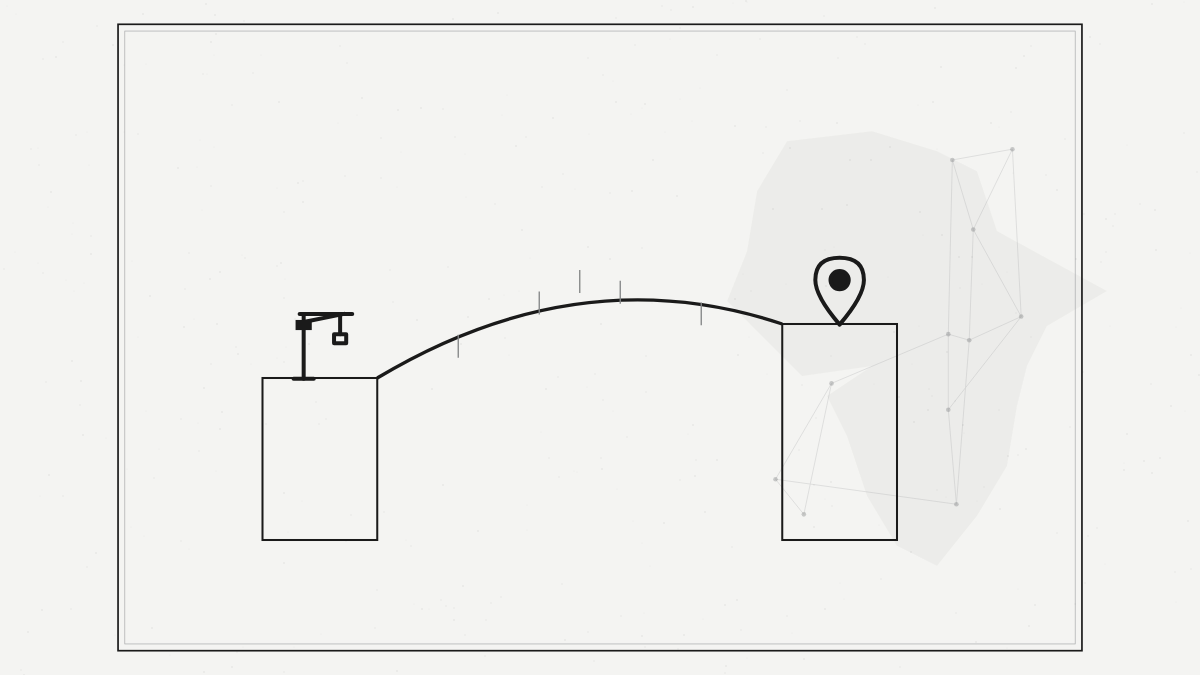
A port is the most visible kind of progress – cranes, container stacks, a deepwater berth where shallow water used to be. China's foreign ministry counts close to 100 ports built or upgraded on the continent since 2000, alongside more than 10,000 km of railway and nearly 100,000 km of highway. The harder test is not how many quays exist but what flows across them – and in which direction. A gateway that mostly lands imports is a different economic object from one that lifts African exports into the world, and the difference does not show up in a ribbon-cutting photograph.
The build-out: quays, terminals and a corridor logic
Beijing's account names the Doraleh Multi-Purpose Port in Djibouti and the Lome Container Terminal in Togo, the latter credited with increasing entrepot trade, as completed gateways. According to the same white paper, Chinese companies accounted for 31.4 per cent of all infrastructure projects on the continent in 2020, and total infrastructure investment in Africa between 2016 and 2020 reached almost US$200 billion. The framing is a system: ports feed railways, railways feed inland markets.
Read as a claim rather than a verdict, that system describes intent more than outcome. The figures are Beijing's own, presented without the cost-and-debt column that would let a reader judge the bargain. A 31.4 per cent share of projects measures who builds, not who benefits; a US$200 billion investment total says nothing about the terms on which it was lent, nor how much of it was concessional, commercial or tied to Chinese contractors. The hardware is genuine and large. The economics sit one layer down, where the official account does not go.
The directional point is worth holding onto. Doraleh and Lome were built to move volume, and volume can run either way through a quay. Lome's credit for lifting entrepot trade – goods landed, re-handled and shipped onward – is itself a tell: a transhipment hub thrives on through-traffic, not necessarily on Togolese exports. Whether a terminal deepens an African economy or merely speeds cargo across it is a question the throughput figure alone cannot settle.
A port is built; a gateway has to be proven by what passes through it.
The Mombasa-Nairobi line: a number that cuts both ways
The most cited corridor in the file is the Mombasa-Nairobi Standard Gauge Railway, which Beijing says carried 5.4 million passengers and 1.3 million standard containers and contributed 1.5 per cent to Kenya's economic growth, creating 46,000 direct and indirect jobs. Those are official figures, and they are not nothing – a working railway moving real freight inland from the coast.
But the same railway has become the textbook case for debt scrutiny. The loans behind it, and the question of whether freight revenue covers repayment, sit outside the white paper's frame entirely. A passenger count is easy to publish; a debt-service ratio is not. The line moves containers and a repayment schedule at once, and only one of those numbers appears in the official tally.
There is a subtler tension in the jobs figure too. The white paper credits the line with 46,000 direct and indirect jobs, a real social return. Yet jobs created during construction and operation are a different ledger entry from the recurring foreign-currency cost of servicing the build. A gateway that employs thousands while draining hard currency to repay its lender has not failed, but it has not yet passed the test either. The container and the coupon travel the same rails in opposite directions.
The railway that proves the gateway also carries the debt that tests it.
Direction of travel: imports landed, exports still thin
China reported imports from Africa of about US$60 billion in the first seven months of 2024, with a green channel opening for 16 agricultural products from 11 countries. That is movement toward two-way trade, and it is worth crediting. Yet a gateway earns its name when African value, not only African raw material, clears the berth – processed goods rather than unprocessed commodities – and on that measure the continent's ports remain works in progress.
The honest summary is that China has supplied the hardware of trade at scale, and that the hardware is necessary. Whether it becomes a gateway for Africa, rather than a gateway into Africa, depends on tariffs, processing capacity and industrial policy the cranes cannot decide. The continental lesson is that the next gain comes less from another quay than from what African states choose to ship across the ones already standing.