
Behind every kilometre of new pipeline is a question that precedes the steel: who put up the money, and who carries the risk if the barrels do not flow. Niger’s crude has now reached the Sèmè export terminal in Benin through the completed cross-border pipeline, and for a finance audience the arrival of the first oil is less the headline than the capital structure that made a roughly 2,000-kilometre, two-country system bankable at all. The corridor is built; the more durable lesson is how such projects are financed, and where local capital can find a seat.
Who Provides The Capital
The funding behind the corridor follows a now-familiar Sahelian pattern: Chinese-backed credit and engineering carrying a project too large and too long-dated for local balance sheets alone. That Nigerien oil reached the Benin coast via a China-backed pipeline tells a financier that the capital came from a sponsor able to price political and construction risk across two jurisdictions and to accept a long payback. For a landlocked, low-income sovereign, that external financing is what turns a stranded reserve into an export asset — but it also concentrates the relationship, and the repayment claim, with a single creditor group. Reading the deal means reading the terms behind the barrel.
The cheapest capital is worth little if its terms outlast the oil price.
What Repays The Credit: Receipts As Security
A project of this length is not repaid from goodwill; it is repaid from what flows through it. In export infrastructure the standard security is the future stream of crude receipts, which means the credit is effectively lent against barrels not yet sold. That structure aligns the sponsor’s repayment with the corridor’s throughput, and it explains why flow, price and transit reliability matter as much to the lender as to the operator. It also shapes how much fiscal room the host state truly gains in the early years, since a share of export earnings may be committed to servicing the credit before it reaches the treasury. For a financier, the key question is how the receipts are pledged and in what order claims are paid — the waterfall, not the ribbon, decides who is made whole.
A barrel pledged is not a barrel banked.
Who Carries The Risk
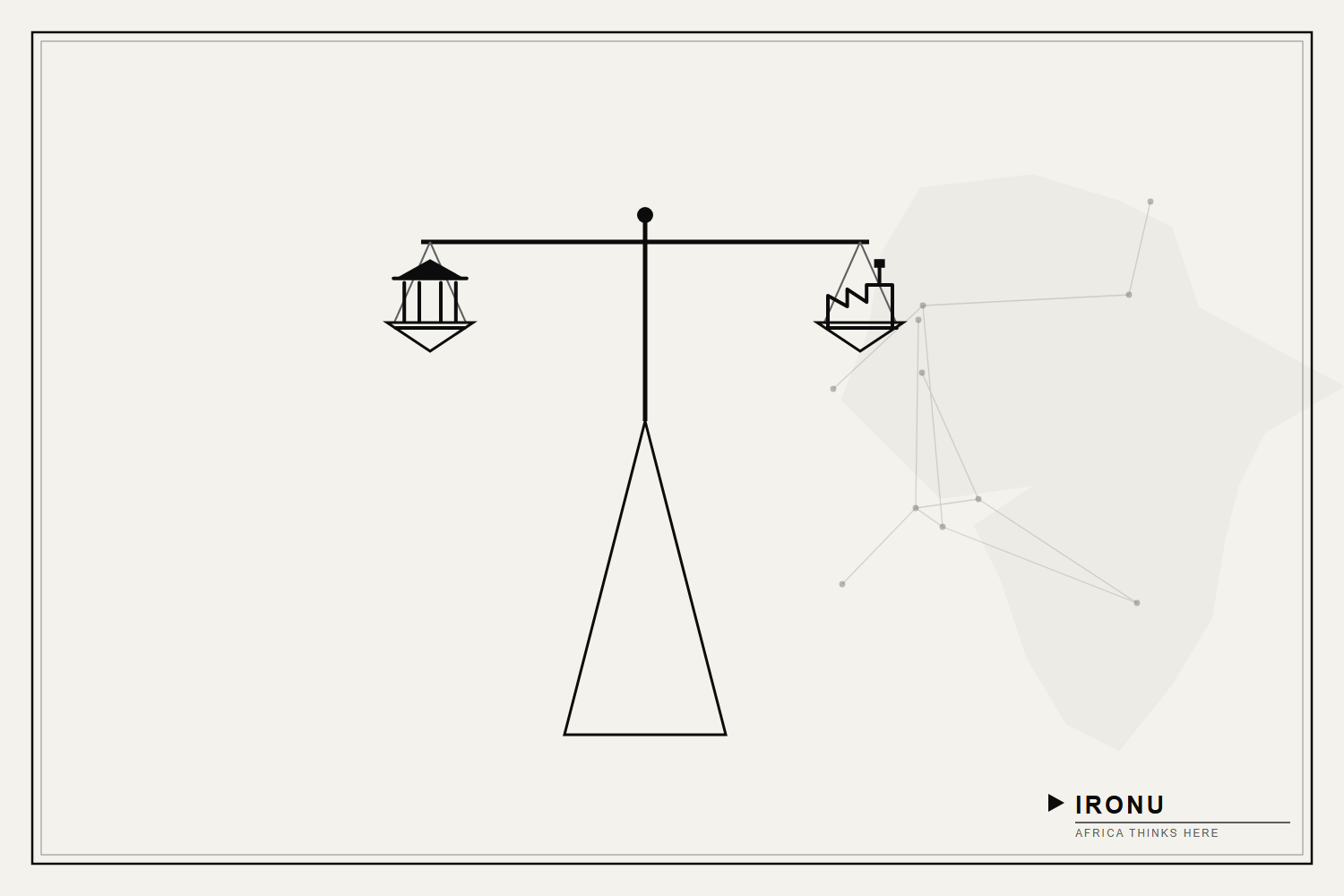
Bankability rests on how risk is allocated. In a cross-border export system, the principal exposures are throughput, price and political alignment: the pipeline earns only if crude flows steadily, if the dollar price holds, and if Niamey and Cotonou sustain their transit and revenue arrangements. Those risks are shared unevenly between sponsor, host states and any off-taker, and the structure typically leans on future export receipts as the security that repays the credit. For Niger, revenue arrives into the CFA franc’s fixed-parity framework under the BCEAO, which dampens currency risk on the local side even as commodity-price risk remains firmly in play. Understanding who absorbs each exposure is the difference between a bankable position and a stranded one.
Risk that is not priced is simply risk that someone else has not yet noticed.
Where Local Capital Fits
The open question for West African financiers is whether they can enter a structure built largely offshore. The near-term openings are not in the anchor credit but around it: working-capital finance for local suppliers and contractors, storage and logistics ventures at Sèmè, insurance and services that the corridor now demands, and the trade finance that moves the ancillary goods. As the model is one of the region’s largest cross-border energy corridors, it will not be the last, and local institutions that learn its financing grammar now position themselves for the next one across ECOWAS.
The decision this development invites is a capital-allocation one. Financiers and operators should map the parts of the structure that remain open to local participation, test the throughput and transit assumptions before committing, and treat the Niger–Benin corridor as a live lesson in how Sahelian megaprojects are funded. Follow the capital, not the ribbon-cutting — the money always tells the truer story.