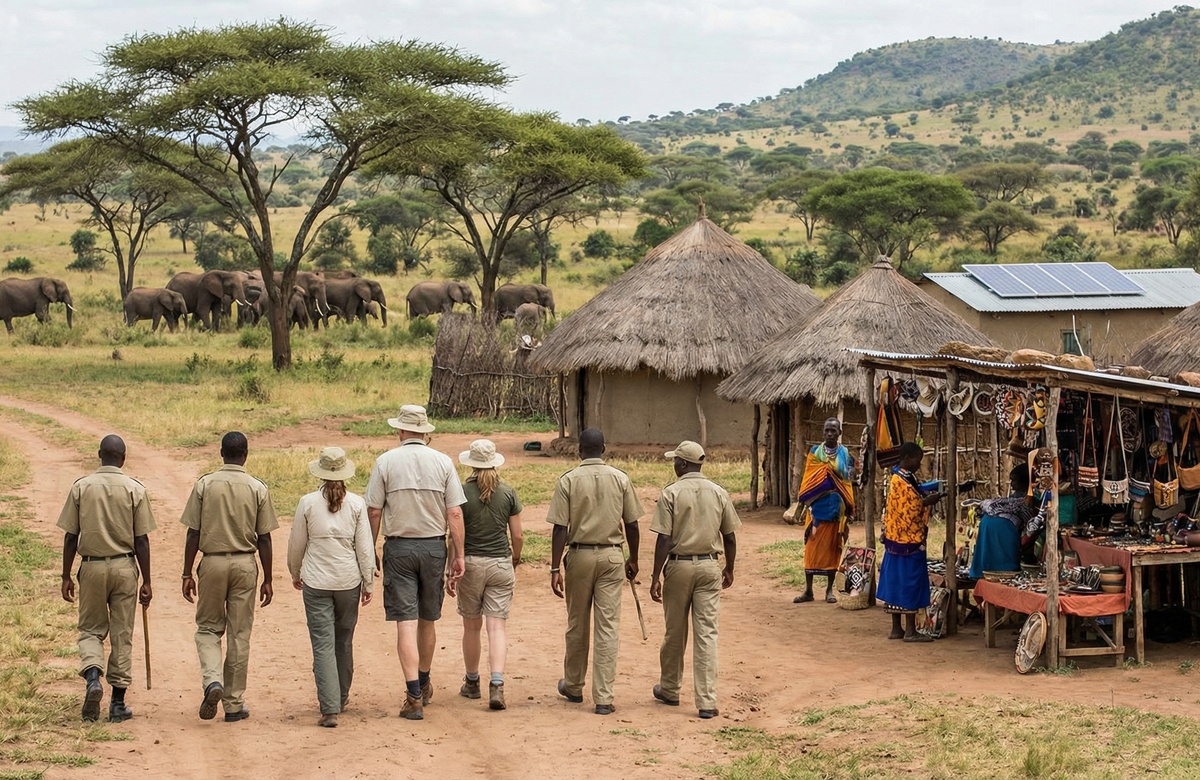

Eco-tourism is transforming rural economies across Southern Africa, offering sustainable solutions to economic challenges while preserving natural and cultural heritage. In regions where traditional industries struggle, eco-tourism provides new opportunities for job creation, community development, and environmental conservation. By integrating economic growth with sustainability, rural areas are finding renewed prosperity through tourism.
Empowering Local Communities
Eco-tourism empowers rural communities by creating jobs and fostering entrepreneurship. Lodges, guided tours, and cultural experiences rely on local expertise, providing employment opportunities that directly benefit residents. Community-owned tourism initiatives, such as cultural villages or eco-lodges, allow locals to retain control over their resources and revenues.
For example, the Tsodilo Hills Heritage Site in Botswana employs local residents as guides and artisans, ensuring that the economic benefits of tourism stay within the community. Similarly, in Namibia, conservancies like those in the Kunene region partner with eco-lodges to provide employment while protecting wildlife and natural habitats.
Preserving Natural and Cultural Heritage
Eco-tourism thrives on the preservation of the environment and cultural traditions, creating a virtuous cycle where conservation drives economic growth. Protected areas such as national parks and game reserves attract eco-conscious travelers, while revenue from tourism funds conservation efforts.
Cultural festivals and traditional craft markets integrated into eco-tourism experiences also promote the preservation of local heritage. Visitors gain unique insights into the lifestyles and customs of rural communities, while residents benefit from the financial incentives to sustain their cultural practices.
Promoting Infrastructure Development
Tourism often spurs the development of essential infrastructure in rural areas, improving access to roads, clean water, and electricity. These developments benefit not only tourists but also the local population, enhancing overall quality of life. Eco-tourism projects frequently incorporate sustainable practices, such as solar-powered energy systems and rainwater harvesting, ensuring long-term viability.
In Namibia, the growth of eco-tourism has led to the development of solar-powered lodges and eco-friendly transportation networks in remote areas. These advancements create a foundation for further economic development while minimizing environmental impact.
Supporting Conservation Efforts
Eco-tourism directly supports conservation by providing funding and incentives for protecting natural resources. Visitors’ fees and lodge revenues often contribute to anti-poaching efforts, wildlife monitoring programs, and habitat restoration projects.
In Botswana, the Okavango Delta’s eco-tourism industry funds initiatives to protect endangered species and combat illegal hunting. Local communities, empowered through revenue-sharing models, actively participate in conservation, recognizing its value to their livelihoods.
Challenges and Opportunities in Eco-Tourism
While eco-tourism offers significant benefits, it also faces challenges, including balancing visitor numbers with environmental preservation and ensuring equitable distribution of economic gains. Over-tourism can strain resources and disrupt local communities, requiring careful management and planning.
Collaboration between governments, private sector players, and local communities is essential for addressing these challenges. Policies that promote sustainable tourism practices, provide training, and support local entrepreneurs enhance the long-term success of eco-tourism initiatives.
A Model for Sustainable Development
Eco-tourism is more than a niche market—it is a model for sustainable development in rural economies. By combining environmental conservation with economic empowerment, it creates opportunities that benefit both communities and visitors. As Southern Africa continues to develop its eco-tourism sector, it offers a pathway for rural areas to thrive while preserving the natural and cultural treasures that make them unique.
Sources:
Critical Factors in Cultural Tourism in Botswana: https://www.jstor.org/stable/41236633
Botswana’s Cultural and Creative Industries: https://these-hands.org/how-botswanas-creative-industries-drive-economic-development
Performance and Cultural Heritage Festivals in Botswana: https://ubrisa.ub.bw/handle/10311/2321
