
Decentralized decision-making is a governance approach that empowers local authorities and communities to manage resources and address issues independently. In Namibia, this model is gaining momentum as a means of improving service delivery, fostering accountability, and promoting equitable development. As the country navigates economic and social challenges, decentralization offers a promising path toward more inclusive and efficient governance.
The Evolution of Decentralization in Namibia
Namibia’s journey toward decentralization began with the Decentralization Policy of 1997, which aimed to transfer decision-making authority from the central government to regional and local councils. The policy emphasizes the principles of subsidiarity, which advocate for decisions to be made at the most immediate or local level possible.
This approach seeks to address disparities in resource distribution and service delivery by giving local governments the autonomy to prioritize and implement projects based on their unique needs. For example, rural communities in the Kavango and Zambezi regions can focus on improving agricultural infrastructure, while urban councils in Windhoek or Swakopmund can prioritize housing and transport.
Benefits of Decentralized Decision-Making
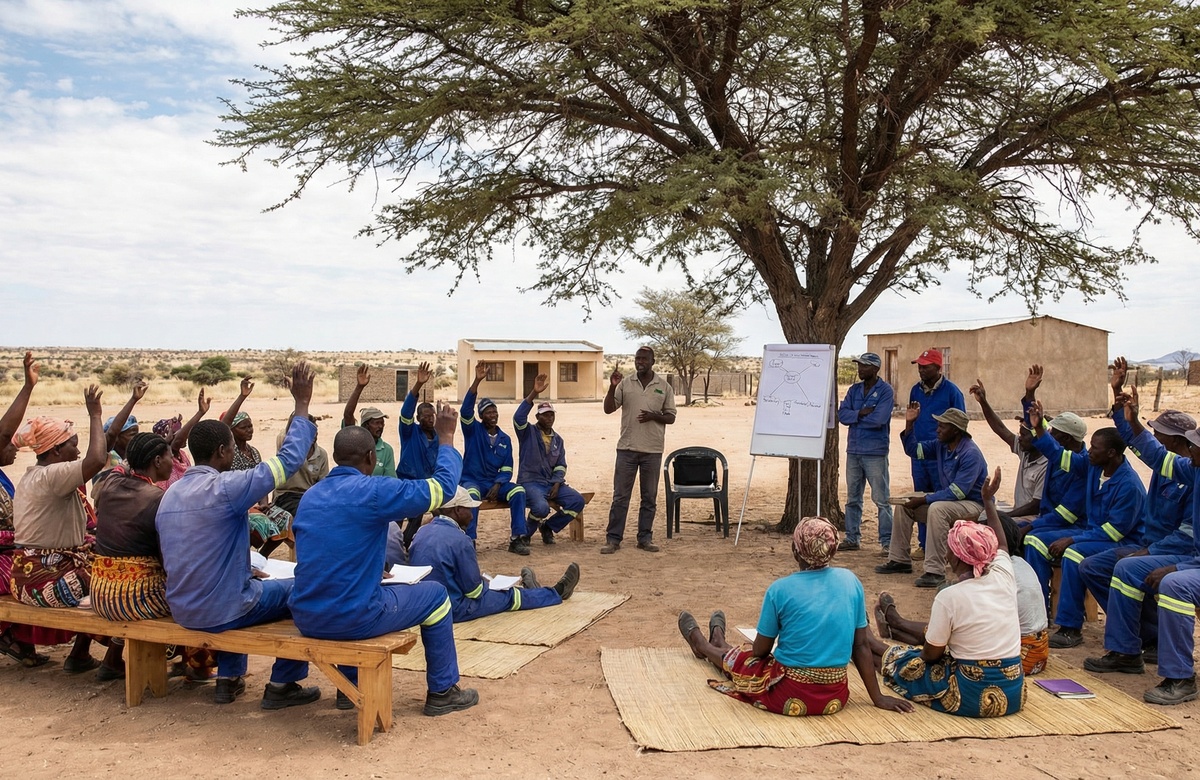
Decentralization brings governance closer to the people, fostering participation and accountability. Local governments are better positioned to understand the needs of their communities and respond with tailored solutions. This proximity strengthens trust between citizens and their leaders, enhancing the legitimacy of governance structures.
Economic development is another significant benefit. Decentralization enables regions to capitalize on their unique strengths and opportunities, such as tourism, agriculture, or mining. By empowering local authorities to manage resources and attract investments, decentralization can drive regional growth and reduce disparities.
Challenges in Implementing Decentralization
Despite its potential, decentralized decision-making in Namibia faces several challenges. Limited financial and human resources constrain the capacity of local councils to deliver services effectively. For instance, rural areas often struggle to attract skilled professionals, resulting in gaps in healthcare, education, and infrastructure management.
Additionally, inconsistencies in policy implementation and coordination between central and local governments can hinder progress. Ensuring that decentralization policies are uniformly applied and supported by adequate funding is crucial for success.
The Role of Technology in Decentralization
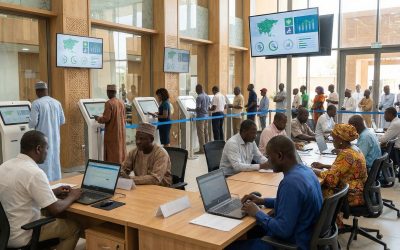
Technology is playing a transformative role in enhancing decentralized governance. Digital platforms enable local governments to improve transparency, streamline service delivery, and engage citizens more effectively. For example, e-governance tools allow residents to access information about budgets, projects, and policies, fostering accountability and participation.
In Namibia, initiatives like the Local Authorities Digital Transformation Programme are equipping councils with tools to modernize operations and improve service delivery. These technologies bridge gaps in communication and coordination, ensuring that decentralization efforts yield tangible benefits.
The Path Forward
For Namibia to realize the full potential of decentralized decision-making, key priorities must be addressed:
Capacity Building: Investing in training and resources for local authorities ensures they have the skills and tools needed to manage responsibilities effectively.
Policy Harmonization: Strengthening coordination between central and local governments enhances consistency and reduces duplication of efforts.
Community Engagement: Encouraging citizen participation in governance fosters a sense of ownership and accountability at the grassroots level.
Namibia’s commitment to decentralization positions it as a leader in inclusive governance in Southern Africa. By empowering local governments and leveraging technology, the country can build a more equitable and resilient future.
Sources:
Decentralization Policy in Namibia: https://www.npc.gov.na/Decentralization-Policy
Objectives of Decentralization in Namibia: https://decentralisation.gov.na/objectives
Technology and Decentralized Governance: https://www.local.gov/ict-decentralization