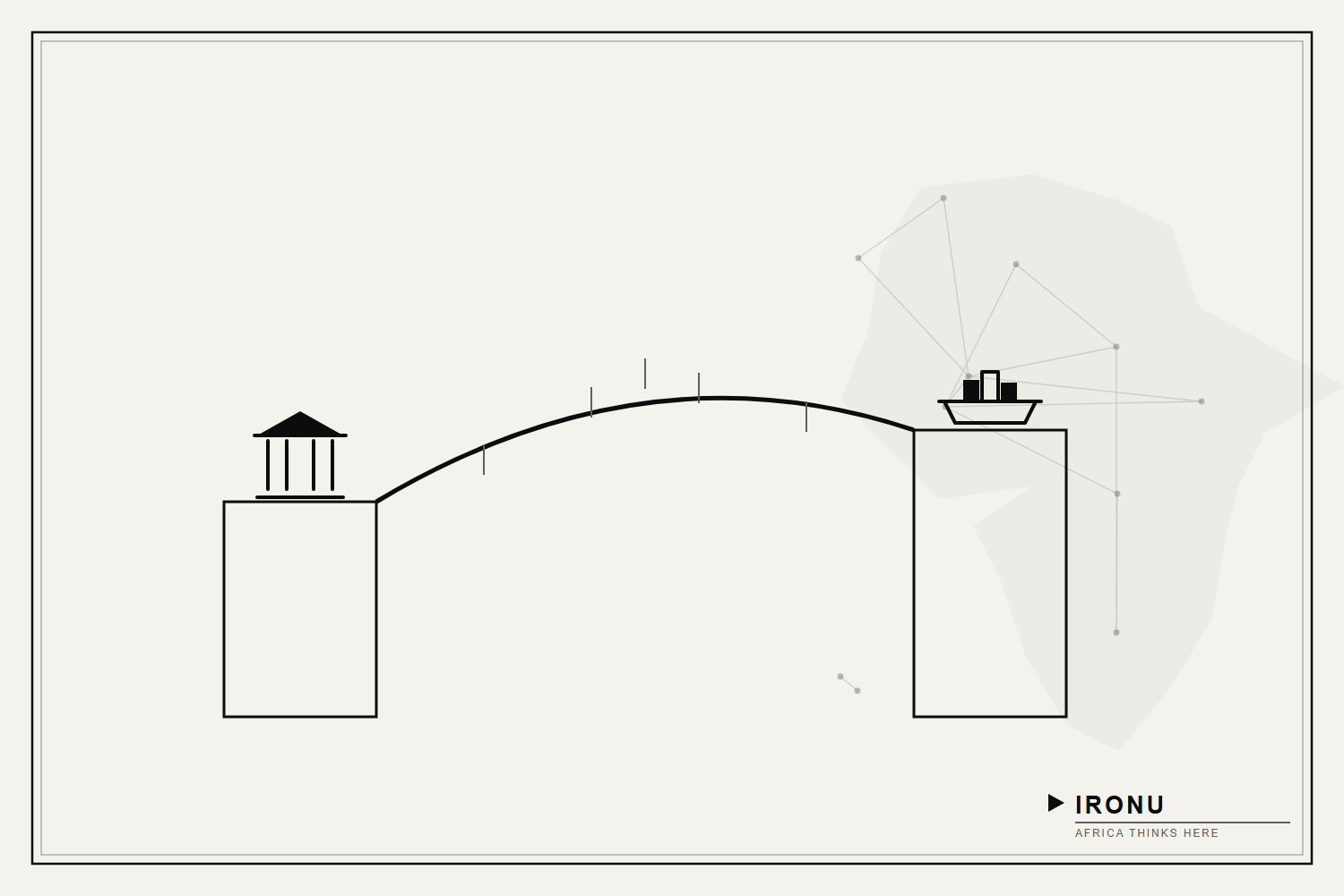

The most useful question about any single project is whether it is a model or a one-off. A new building solves a local problem; a transferable framework solves a regional one, provided its assumptions travel. When Liberia opened a new passenger terminal at Roberts International Airport on 25 July 2019, the intellectually interesting task was not to admire the asset but to extract its logic: what is the model here, and where would it break in another West African market.
Extracting the Model: The logic behind the terminal
Strip the project to its reasoning and a familiar policy pattern appears. A post-conflict or capital-scarce economy identifies its international gateway as a binding constraint on trade, tourism and investment, then upgrades that single high-leverage node to improve business connectivity and its ability to receive international traffic. The terminal at Roberts International is an instance of a wider strategic model: concentrate scarce infrastructure capital on the chokepoint that unlocks the most downstream activity, rather than spreading it thinly across many projects. The logic is portfolio thinking applied to public assets, treating the gateway as the single investment whose return, measured in unlocked trade and access, exceeds every alternative use of the same constrained capital. It is a defensible discipline precisely because the resources to do everything at once do not exist.
The model is not the building; it is the decision to fix the chokepoint first.
The Second-Order Effects: What the terminal sets in motion
Frameworks are judged by their consequences beyond the obvious. A gateway upgrade sets several second-order effects running. It reprices land along the connecting corridor. It shifts competitive pressure onto domestic firms once sheltered by isolation. It changes the calculus for carriers, insurers and investors weighing the country. It can concentrate activity around the gateway, drawing services and talent toward the corridor and away from other locations. And it creates a recurring maintenance liability that quietly tests the state’s operating discipline for decades. None of these appears in the ribbon-cutting, yet each shapes whether the initial logic pays off. Reading them in advance is the difference between copying a project and understanding it.
Where the Model Breaks: Transferability and its assumptions
The honest limit of any model is the assumptions it rests on. Liberia’s gateway logic transfers to other West African markets only where several conditions hold: that the airport truly is the binding constraint rather than a symptom, that complementary infrastructure such as roads, power and customs can carry the additional flow, that maintenance funding is durable, and that enough originating and terminating demand exists to justify the capacity. Change any of these, an inland economy where roads bind harder than air links, a market whose neighbouring hub is simply too dominant, a state without a maintenance budget, and the same terminal delivers far less. In a dual-currency setting, where L$ and US$ costs fall differently on households and importers, even the financing assumptions do not port cleanly. The specific demand and maintenance data that would confirm the fit is [TK] on the date, which is precisely why the model must be interrogated, not imitated.
A framework copied without its assumptions is not a strategy; it is a hope.
The Decision: For founders and investors reading the pattern
For an operator scanning the region, the value of Liberia’s terminal is as a case to reason from, not a template to trace. The transferable insight is the chokepoint discipline: find the single node whose upgrade unlocks the most downstream activity, then test, honestly, whether the enabling assumptions hold in your target market. Those who extract the logic can apply it where it fits and avoid it where it does not. Those who copy the asset will build the right terminal in the wrong place, and discover too late that the model they admired was really a set of conditions they never checked.