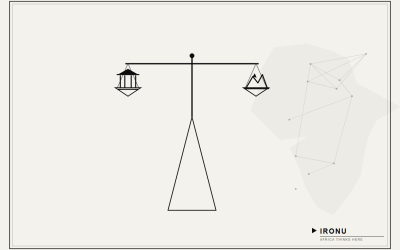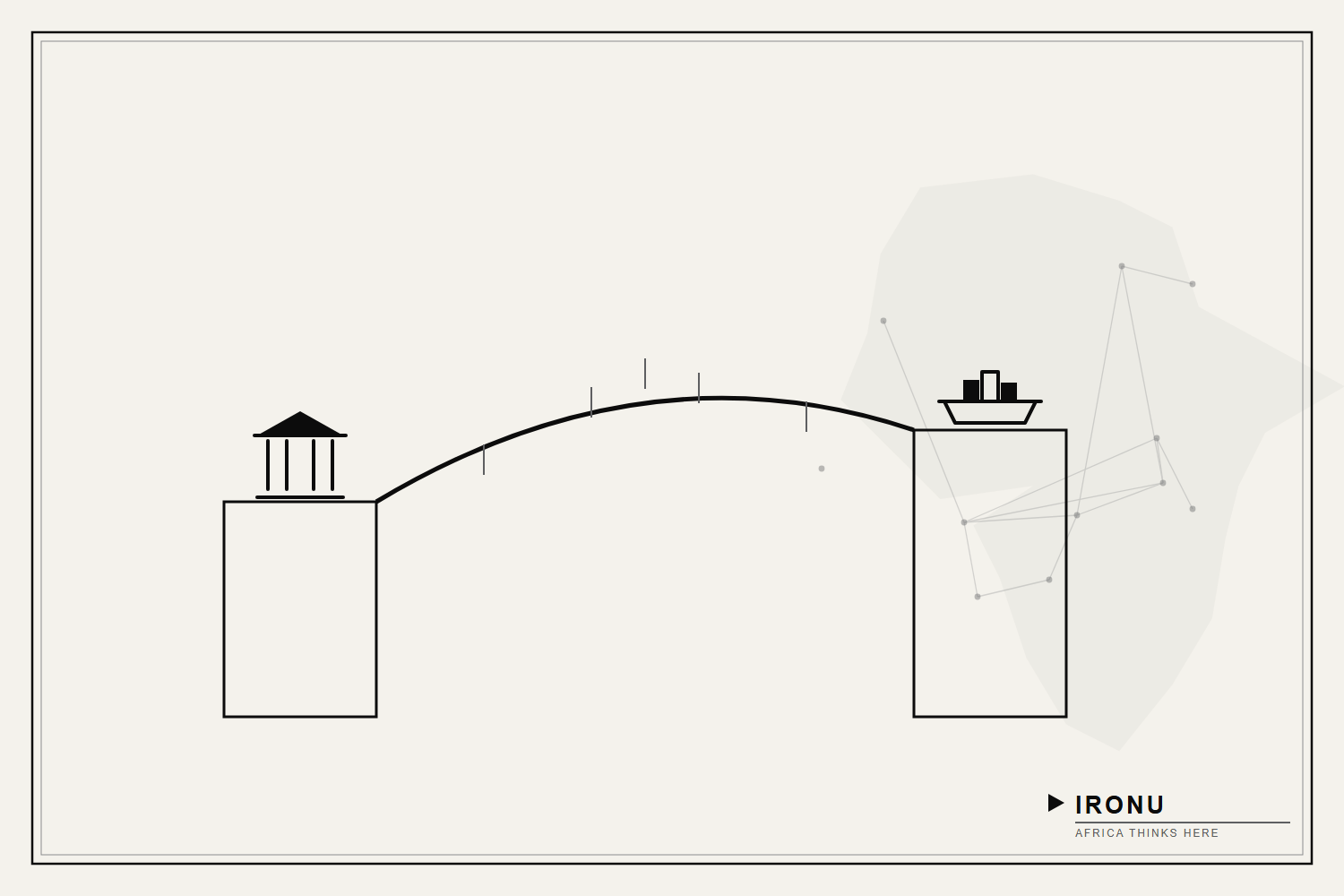

Nigeria’s port problem has never been only Nigeria’s. Across West Africa, national economies have leaned on a handful of deep-water gateways and paid a trans-shipment premium to use them, because dredging, financing and operating a modern container terminal is beyond most single balance sheets. This week Nigeria tests a different model. The commissioning of the Lekki Deep Sea Port, a container gateway inside the Lagos Free Zone, is not just an asset opening; it is a template. The useful question for an investor is not whether Lekki works in Lagos, but which parts of its logic transfer to the next coastline and which parts quietly depend on being Nigeria.
The Model Beneath the Asset
Strip Lekki to its framework and three design choices stand out. First, deep water: the capacity, ship-to-shore cranes and modern terminal systems that let the largest vessels berth directly rather than feed through another hub. Second, the free zone: the port sits inside the Lagos Free Zone, pairing the quay with industrial plots and a customs regime built to turn imported inputs into exportable output. Third, the concession: private capital finances and operates the terminal, reported as a China-funded deep sea port, with the state retaining ultimate ownership. Each choice is a policy logic as much as an engineering one.
A port is a machine for converting geography into trade; the free zone is the gearbox.
What Transfers, and What Depends on Nigeria
The framework is portable in principle. Any West African state with a viable coastline can, in theory, assemble the same three pieces: dredge for depth, wrap the quay in a free zone, and concession the build to private capital. But the assumptions that make Lekki bankable are not evenly distributed. The decisive one is demand. Lekki is anchored by the largest consumer and industrial market in West Africa, which underwrites the throughput a lender needs to see. A structurally identical port on a smaller national market faces a harder sum, because the fixed cost of deep water is the same while the cargo to spread it across is thinner. That is precisely why regional trans-shipment hubs emerged in the first place, and why not every country can profitably run its own.
The second-order effects are where the framework earns or loses its keep. A new deep-water gateway does not simply add capacity; it redistributes it. By capturing cargo that has flowed to rival Gulf of Guinea ports, Lekki intensifies competition among gateways along the coast and pressures the trans-shipment economics of its neighbours. For an investor, that is the transferable insight: the value of a port is set less by its cranes than by its position in a regional network that is now being redrawn.
The model is not the concrete; it is the market the concrete is pointed at.
The IP of a Gateway
There is a subtler asset here than steel. What Nigeria is really building is institutional intellectual property: the ability to structure a concession, align a free-zone customs regime with a terminal operator, and manage the interface between sovereign risk and private capital. That capability, if it proves repeatable, is more valuable and more exportable than any single berth. It is also the assumption most likely to fail elsewhere, because it depends on execution and coordination that do not travel as easily as a design drawing.
Under the African Continental Free Trade Area, the strategic stakes rise. A network of coastal gateways feeding inland industrial zones is the physical precondition for the intra-African trade the agreement envisages. Lekki is one node in that emerging lattice, and its real test is whether its logic can be adapted, not merely copied, along the WAEMU and wider ECOWAS coast.
Copying a port is easy; copying the market and the institution behind it is the hard part.
The Investor’s Read
For an investor weighing the next gateway, Lekki offers a framework and a warning in the same breath. The decision is to extract the transferable logic, deep water, free-zone integration, concession finance, and then stress-test the one variable Nigeria supplies for free: demand at scale. The disciplined move is to obtain the concession structure, map the regional cargo flows it will divert, and read each candidate coastline against the Nigerian economic base that makes Lekki pencil out. Where the demand assumption holds, the model may travel. Where it does not, the crane is just a very expensive silhouette.