
The hardest part of Simandou was never the ore; it was the ground between the ore and the sea. For twenty years the deposit stayed idle largely because no one had resolved how to build and pay for the railway and port needed to move it. This week the partners advanced the investment framework and the shared infrastructure arrangements to build the Simandou mines, a cross-country railway and a new Atlantic port. For anyone in construction, engineering or land, that is the signal that the real work — the earthworks, the alignments, the compensation, the maintenance regimes — is now the binding constraint on the whole enterprise. The mine is the reward. The corridor is the project.
The Asset Map: Three Works, One System
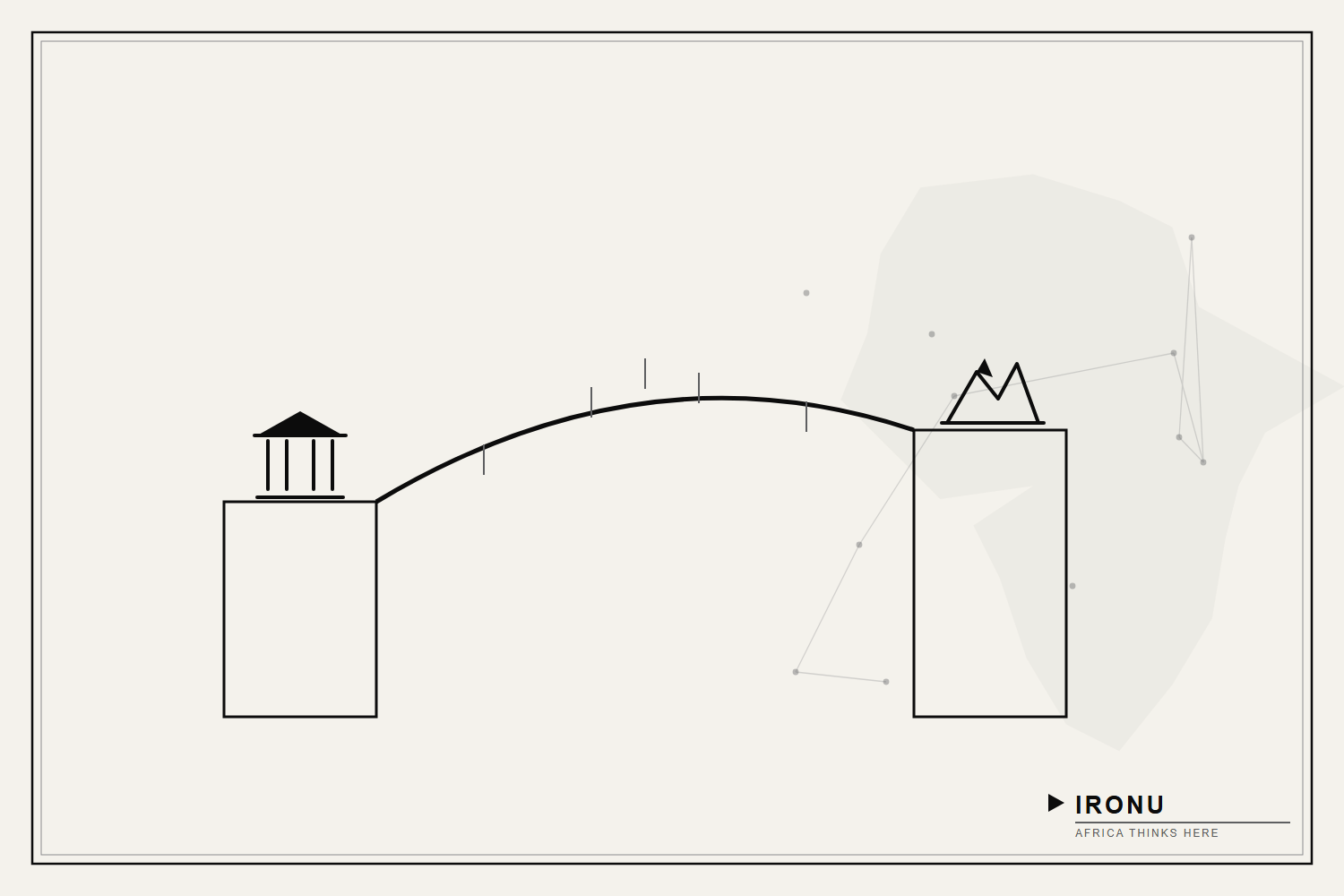
What has advanced is best read as a single integrated system with three physical components: the mines in the south-eastern highlands, a railway running across the country, and a new deep-water port on the Atlantic. The Simandou project update treats them as one build, because none functions without the others. Ore that cannot reach a berth has no value, and a port with no railway has no cargo.
That integration defines the engineering challenge. A cross-country line must cross rivers, elevation and settlement, demanding bridges, cuttings and drainage designed for heavy haul loads over a long asset life. A greenfield deep-water port requires dredging, breakwaters, stockyards and ship-loading systems. Each is a discipline in itself, and the schedule holds only if they advance in step. The exact route, port location and tonnage design remain matters for the primary engineering documents. [TK] on published alignment and berth specifications.
In a corridor project, the map is the plan; miss one link and the whole chain stops.
The Delivery Constraints: Land, Permits and Capacity
The tension for property and construction operators is not demand — a multi-billion-dollar build guarantees that — but delivery. Land is the first friction. A railway across the country crosses farmland, forest and communities, so route acquisition, resettlement and compensation must be handled fairly and on schedule, or disputes will stall works more effectively than any engineering problem. Compensation budgets denominated in Guinean francs (FG) and the speed of permitting sit on the critical path.
Capacity is the second. A project of this scale needs earthmoving fleets, batching plants, survey teams and skilled trades in numbers Guinea has rarely mobilised simultaneously. That is an opening for construction and engineering firms that can meet specification, and a warning that shortages will pull in foreign contractors if local capacity is not readied. Reuters, reporting the project set to take off, signalled that these constraints move from theoretical to immediate.
Engineering decides whether it can be built; land and permits decide whether it gets built on time.
The Long Game: Maintenance and the Value of Space
A railway and port are not delivered once; they are maintained for decades. The economics that matter over the life of the corridor are the recurring ones — track maintenance, dredging cycles, rolling-stock upkeep and the workshops and depots that support them. Each of those is a durable commercial position for an engineering firm willing to build a Guinea-based capability rather than fly in and out.
The corridor also reshapes land value. New rail and a functioning port create demand for logistics yards, worker housing, commercial space and service centres along the route and at the coast, strengthening the Atlantic corridor’s wider draw. That property upside accrues to operators who read the map early and position on the alignment before it is priced in.
The contract to build is finite; the mandate to maintain is where the corridor pays out for years.
The Operator’s Decision
For a construction, engineering or property operator, Simandou as of April 2024 is a question of where on the chain to stand. The heavy civil works offer scale but demand mobilised capacity and appetite for a long, exposed schedule. The maintenance and services layer offers durability for firms prepared to localise. The land and logistics play rewards those who position along the corridor before values adjust. The decision is not whether to be interested in a multi-billion-dollar build. It is which link of land, construction, engineering and maintenance you are genuinely equipped to hold — and whether you move to secure it before the corridor is fully spoken for.