
Mauritania feeds itself unevenly: irrigated plots along the Senegal River, vast pastoral herds, and one of the richest fishing grounds on the Atlantic seaboard, yet a food system still short of reliable power, cold storage and rural credit. This week that constraint met a new variable. The Greater Tortue Ahmeyim project, offshore on the boundary Mauritania shares with Senegal, has produced first gas into a floating liquefied natural gas facility rated at about 2.3 million tonnes of LNG a year. The gas is being made for export, but the more consequential question for the land economy is whether any of that energy, or its value, ever reaches the farm gate.
The Feedstock Question: Gas is more than a cargo
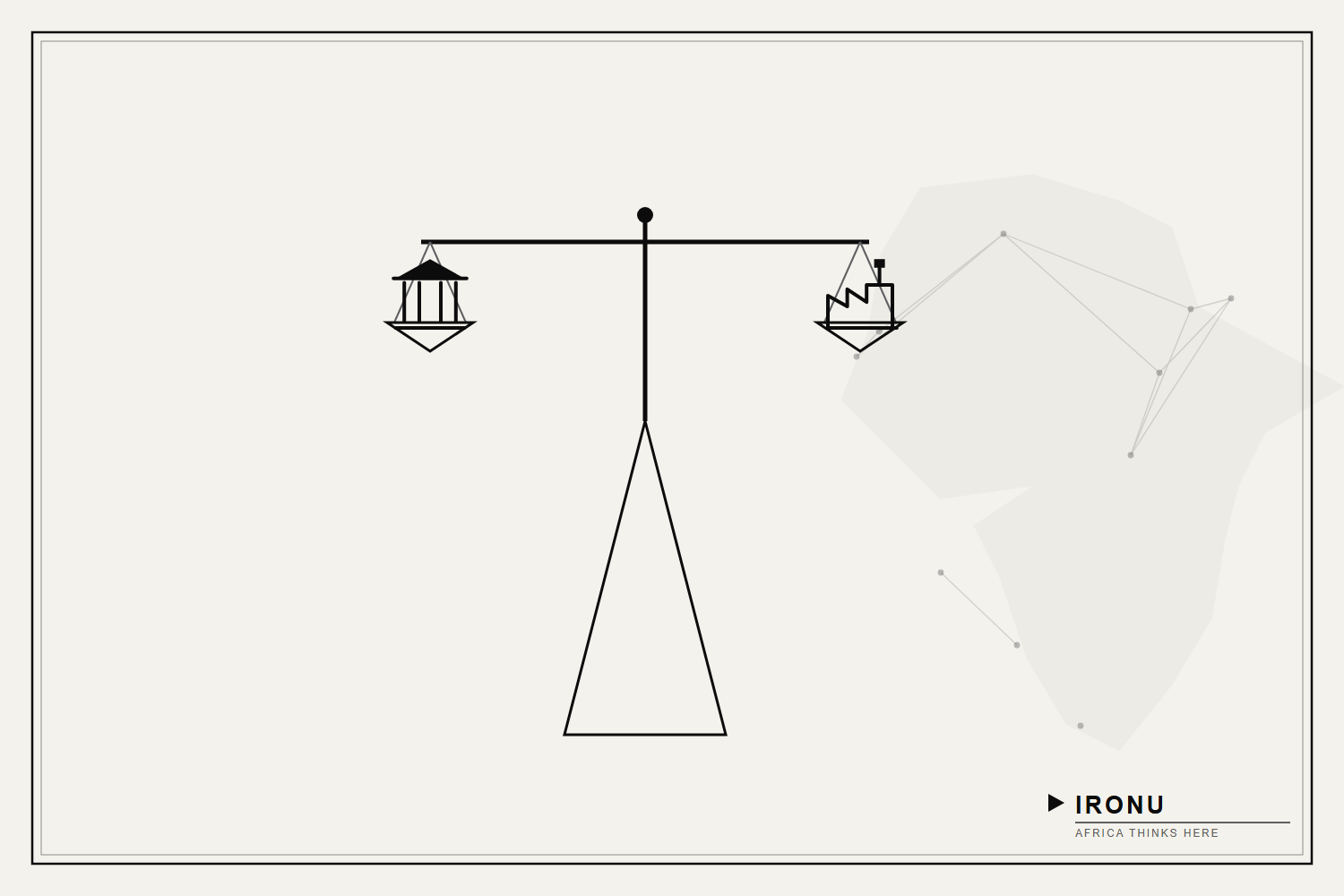
Natural gas is not only an export commodity; it is the raw material behind fertiliser, the fuel behind reliable electricity, and the input behind industrial cold chains. Where gas comes onshore, it can underwrite ammonia and urea production, run gas-to-power plants and drive the refrigeration that a fishing and livestock economy depends on. Phase-one at Greater Tortue Ahmeyim is configured for LNG export rather than domestic supply, a point BP made plain when it announced first gas at the project. For agriculture, that means the benefit is potential, not automatic.
Takeaway: Gas becomes food-system value only when a molecule or a megawatt is deliberately routed onshore.
Cold Chain and Power: The processors’ real bottleneck
Mauritania’s fisheries are a foreign-exchange mainstay, but too much of the catch leaves as low-value raw product because processing, freezing and storage demand steady, affordable power. A domestic gas allocation, were it made, would speak directly to that gap: gas-fired generation is dispatchable in a way solar alone is not, and processors near Nouakchott and Nouadhibou need firm electricity to move up the value chain. The arrival of first gas does not resolve this, but it changes the negotiating table, giving the case for gas-to-power a physical asset to point at.
Takeaway: For a processor, the prize is not the LNG cargo but the firm megawatt behind the freezer.
The Finance and Logistics Gap: Who gets excluded
The risk in every resource boom is that value pools where capital and infrastructure already sit, and passes over the smallholder and the small processor. Mauritania’s rural finance is thin, its inland logistics thinner, and a gas project denominated in dollars offshore does nothing on its own to lengthen a farmer’s credit or shorten a haulage route. If the operating phase generates procurement, catering, crewing and maintenance demand, the firms positioned to capture it will be those that can already meet a bankable standard. Without deliberate local-content design and rural credit, supervised through institutions under the Central Bank of Mauritania, the land economy watches the value sail past.
Takeaway: Proximity to a gas field is not access to it; finance and logistics decide who is let in.
Second-Order Openings: Where agritech fits
There is a constructive reading. A producing energy hub concentrates demand, and demand is what agritech and rural enterprise need to justify investment. Reliable power supports controlled-environment irrigation and cold storage; a cash-generating operating base supports the local supplier who feeds a workforce; and a national gas conversation, once first gas is real, tends to widen to include domestic use. The opportunity is not the platform but the ecosystem a working field can seed if policy points it inland.
Takeaway: A gas field creates demand; agritech turns demand into a reason to build.
What an operator decides now
For a farmer, processor, financier or rural enterprise in Mauritania on 2 January 2025, the decision is not to wait for cheap gas that phase-one was never built to deliver. It is to read where the operating phase creates real, dated demand, for power, for supply, for services, and to press the case that a share of this energy be routed to domestic processing and generation. First gas is a lever, not a gift. The operators who benefit will be those who move early to supply the hub and to argue, credibly, for a molecule that comes ashore.