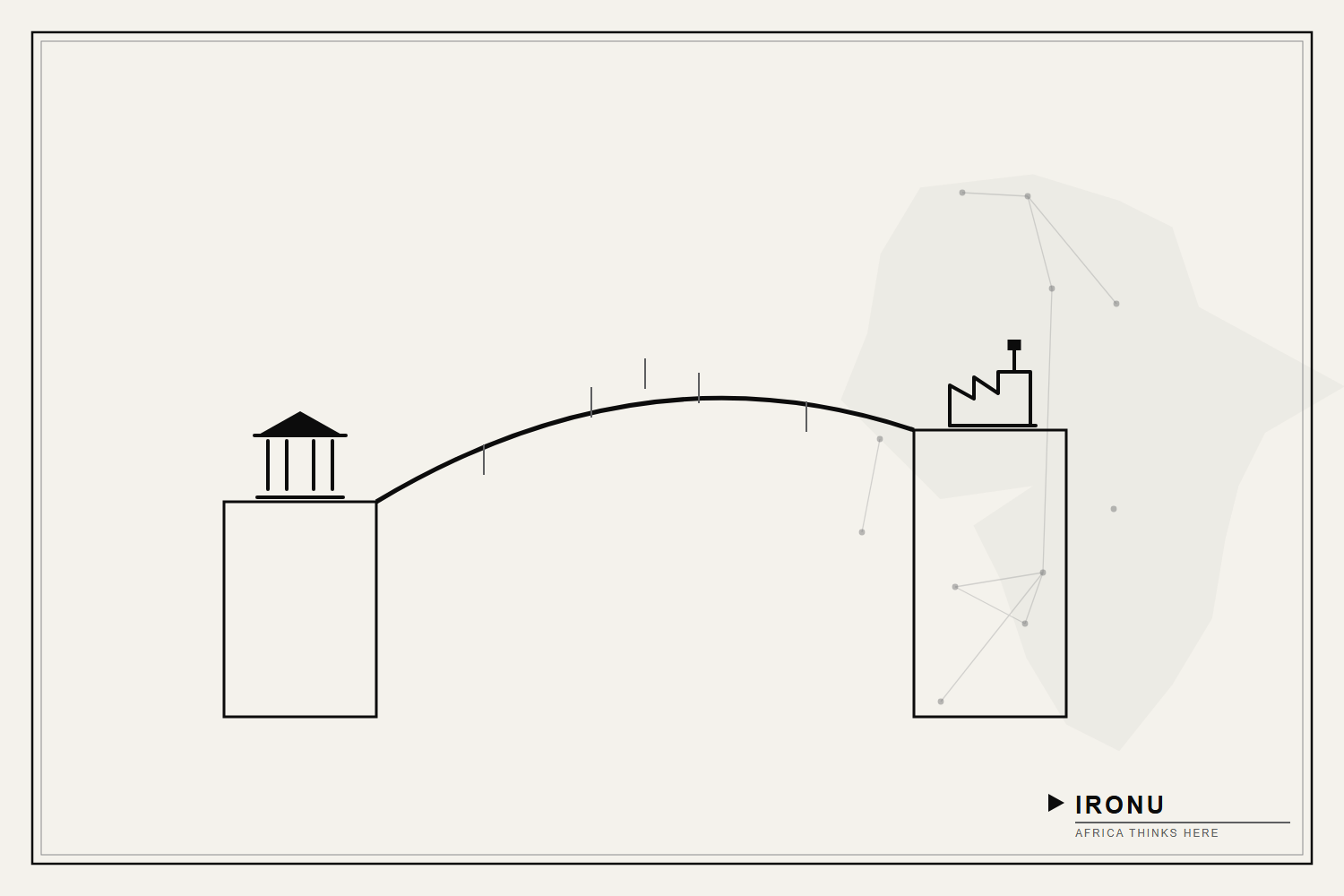

The West African countryside has long known a hard lesson: producing the raw material rarely means keeping the reward. Cotton, cashew, cocoa and gold have all left the region unfinished, with the margin captured downstream and abroad. This week Mali applied that lesson to its most valuable export, breaking ground on a domestically controlled gold refinery meant to process the country’s own output and, in time, that of neighbouring producers.
The plant is reported to be Russian-backed with a state controlling interest and a planned annual capacity of 200 tonnes. Gold is not agriculture, but for anyone financing Mali’s rural economy the parallel is instructive — and so is the corridor map the refinery redraws across the country’s mining regions.
The Value-Retention Parallel: a lesson agri-finance already knows
Agri-finance has spent years arguing that value belongs closer to the producer: local processing, aggregation, warehouse receipts and traceability that let a farmer or cooperative capture more than the farm-gate price. Mali’s refinery is the same argument applied to bullion — refine and certify at home rather than export unfinished and buy back the value.
The mechanics rhyme. A refinery aggregates output, verifies quality and issues a certified product, much as a well-run warehouse-receipt system does for grain. The unresolved question is identical too: does the small producer share in the retained value, or does it pool at the top of the chain? In gold, the small producer is the artisanal miner, and history in the region suggests inclusion is never automatic.
Processing keeps the value in the country; it does not, by itself, spread it.
The Corridor Map: where mine regions meet rural finance
A refinery reorganises geography. To feed a 200-tonne plant, doré must flow from mining zones — many in rural, security-sensitive areas that overlap with farming and pastoral districts — into a central facility, then out to market. That inbound network is a corridor map, and it runs through the same rural economy that agri-lenders serve.
That overlap creates opening and strain. Aggregation points, transport, security, fuel and food services cluster around mineral corridors, seeding rural demand. But mining and farming also compete for land, water and labour, and a plant drawing artisanal output can pull workers off the land during planting. For a rural financier, the corridor is both a new customer base and a source of local price and labour pressure to underwrite carefully.
The map that carries gold also crosses the fields.
The Inclusion Gap: finance and logistics decide who benefits
The live tension is whether artisanal miners and small rural processors capture value or are excluded by the very gaps agri-finance was built to close: no bank account, no formal title, no working capital, no verifiable record. A refinery that only buys from large, formalised suppliers leaves informal producers where they were — selling into grey channels at a discount.
This is precisely where financiers and cooperatives can build. Aggregation schemes, provenance-linked credit and the traceability the refinery itself requires could bring artisanal miners into a formal, bankable chain — if the instruments are designed for them. The refinery supplies the demand and the traceability standard; rural finance must supply the on-ramp.
Traceability without inclusion simply formalises the same exclusion.
The Decision: monitor, then position
Mali’s refinery reflects a wider Sahel push to keep more mineral value at home before export, and the agri-finance sector should read it as adjacent, not distant. The plant will reshape rural corridors, aggregation and cash flow across mining districts long before its first bar is certified.
For a lender, cooperative or agritech operator on 16 June 2025, the measured stance is to monitor and prepare rather than commit. Watch whether the refinery’s sourcing rules make room for smallholder and artisanal supply, and whether provenance data can be turned into a credit signal. If they do, there is a genuine role in financing aggregation, storage and formalisation along the corridor. If sourcing concentrates at the top, the rural economy will feel the plant mainly as competition for land and labour. The opportunity is real; capturing it depends on who is allowed into the chain.
Value kept in the country is a start; value shared with the producer is the goal.