
Ghanaian banks hold ample deposits, yet they lend them short. A manufacturer who needs seven-year money to install a production line is typically offered eighteen-month money priced for trading, not building. That mismatch, a banking system rich in liquidity but poor in patience, is the gap Development Bank Ghana launched this week to close.
DBG opened as a wholesale development-finance institution: it will not lend to companies directly, but channel long-term capital to firms through partner banks, according to Development Bank Ghana. For investors weighing Ghana’s private sector, the interesting question is not the launch itself but the plumbing behind it, who provides the capital, who carries the risk, and where private money can sit in the structure.
The Model: wholesale, not retail
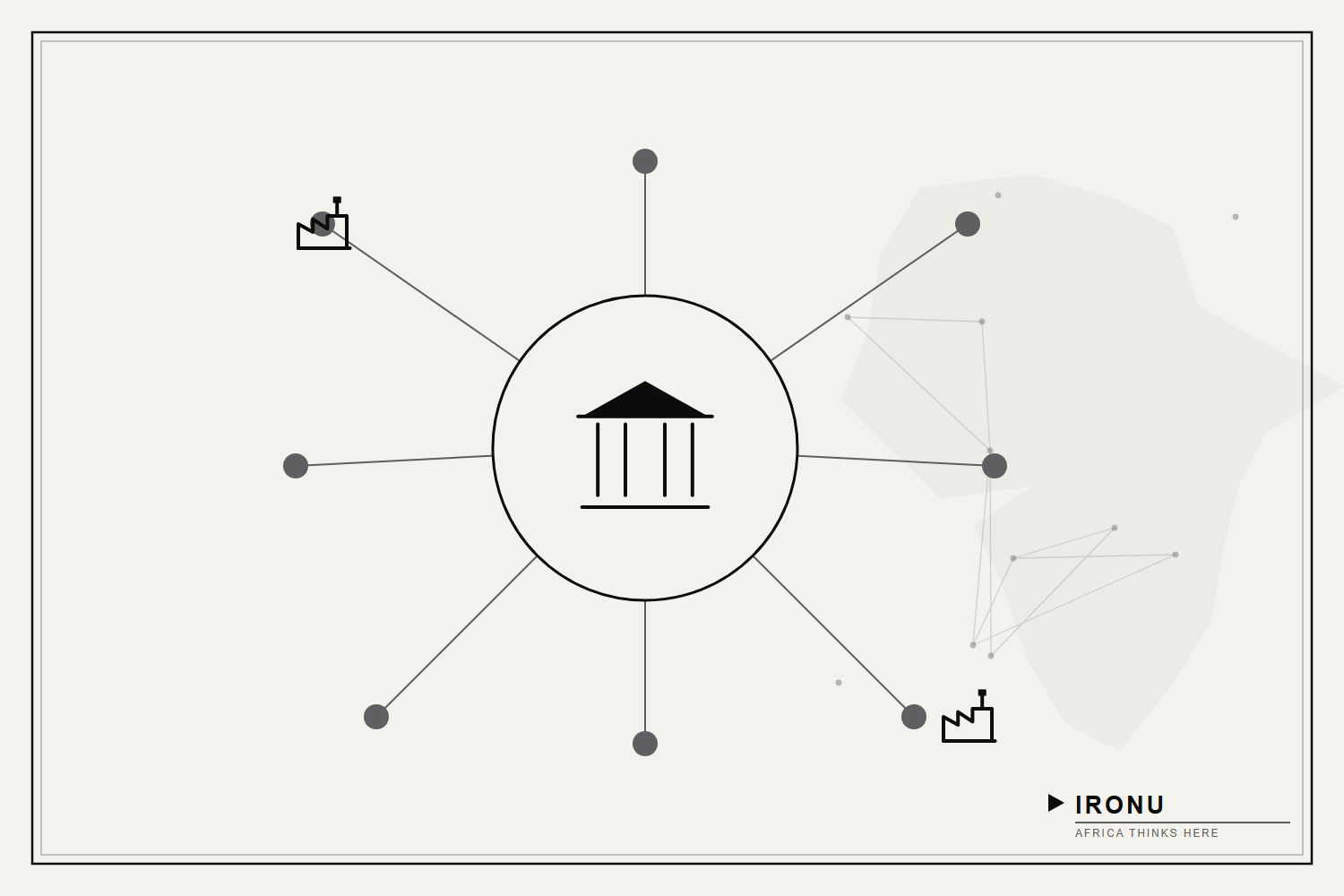
DBG’s design choice is deliberate. Rather than compete with commercial banks for borrowers, it sits above them, supplying long-tenor funding and partial guarantees so those banks can extend credit they would otherwise refuse. The originating bank keeps the customer relationship and a share of the credit risk; DBG supplies the tenor and the risk cushion the market has been missing. It is a plumbing intervention, not a shopfront. The advantage of that architecture is that it works through institutions that already know their borrowers, rather than standing up a new state lender from scratch. The bank that lends longest usually lends least, and DBG exists to change that arithmetic.
The Capital: concessional in, commercial alongside
The funding is blended. Development-finance backing, including support recorded in the World Bank’s account of the launch, provides patient, lower-cost capital at the base of the structure. That concessional layer is what lets DBG offer cedi funding at tenors commercial markets will not price. The intent is to crowd private capital in, not out: by absorbing term risk and a share of losses, the institution aims to make long-dated lending to SMEs, agriculture and manufacturing bankable for private balance sheets. Patient capital at the bottom is what makes commercial capital possible at the top.
The Risk Allocation: who carries what
The heart of the model, for an investor, is where each risk sits. Term risk, the danger of being locked into a long loan while funding costs move, shifts largely to DBG and its concessional backers. Credit risk, the danger that the borrower does not repay, is shared: partner banks retain a stake precisely so they keep underwriting honestly, while DBG’s guarantee absorbs enough of the tail to make the loan worth writing. Currency risk stays low for the borrower because the lending is in cedis rather than dollars. That split is the whole proposition. A structure that socialised every risk would invite reckless lending; one that carried none would change nothing. DBG is a bet that the middle position, shared risk and shared discipline, is the one the market has lacked.
The Business Case: where private money fits
For an investor or operator, DBG reframes several calculations. Partner banks gain a funding line that improves the economics of lending to the missing middle. Firms in agriculture, manufacturing and other high-growth sectors gain access to tenors matched to real assets rather than trading cycles. And because DBG lends in cedis, borrowers avoid the currency mismatch that has sunk many foreign-currency-funded expansions when the cedi has weakened. The risk is execution: a wholesale model only works if partner banks originate well and price honestly. A guarantee cannot rescue a bad loan; it can only make a good one possible.
The Decision: partner, borrow or monitor
The operator’s choice is concrete. Banks can seek accreditation as partners and widen their long-tenor book. Qualifying SMEs, particularly in agriculture and manufacturing, should prepare bankable, documented proposals now, because the constraint is shifting from availability to readiness. Investors should watch two signals over the coming quarters: how quickly partner banks are onboarded, and whether pricing to end-borrowers actually falls. Judge the institution not by its launch, but by the first cedi that reaches a factory floor.