
A railway is a physical thing, but the more valuable object it produces is a model — a set of assumptions about land, capital, governance and demand that either travel to the next country or fail at the border. The Dakar Regional Express Train, which began passenger service this week between the Senegalese capital and the new town of Diamniadio, is being received across francophone West Africa as a flagship. The intelligent question is not whether it is impressive but whether it is transferable, and which of its underlying assumptions might not survive the journey to another market.
The line was launched to ease Dakar’s gridlock, and its most exportable output is the framework it embodies rather than the track it laid.
The Framework: What the Model Actually Is
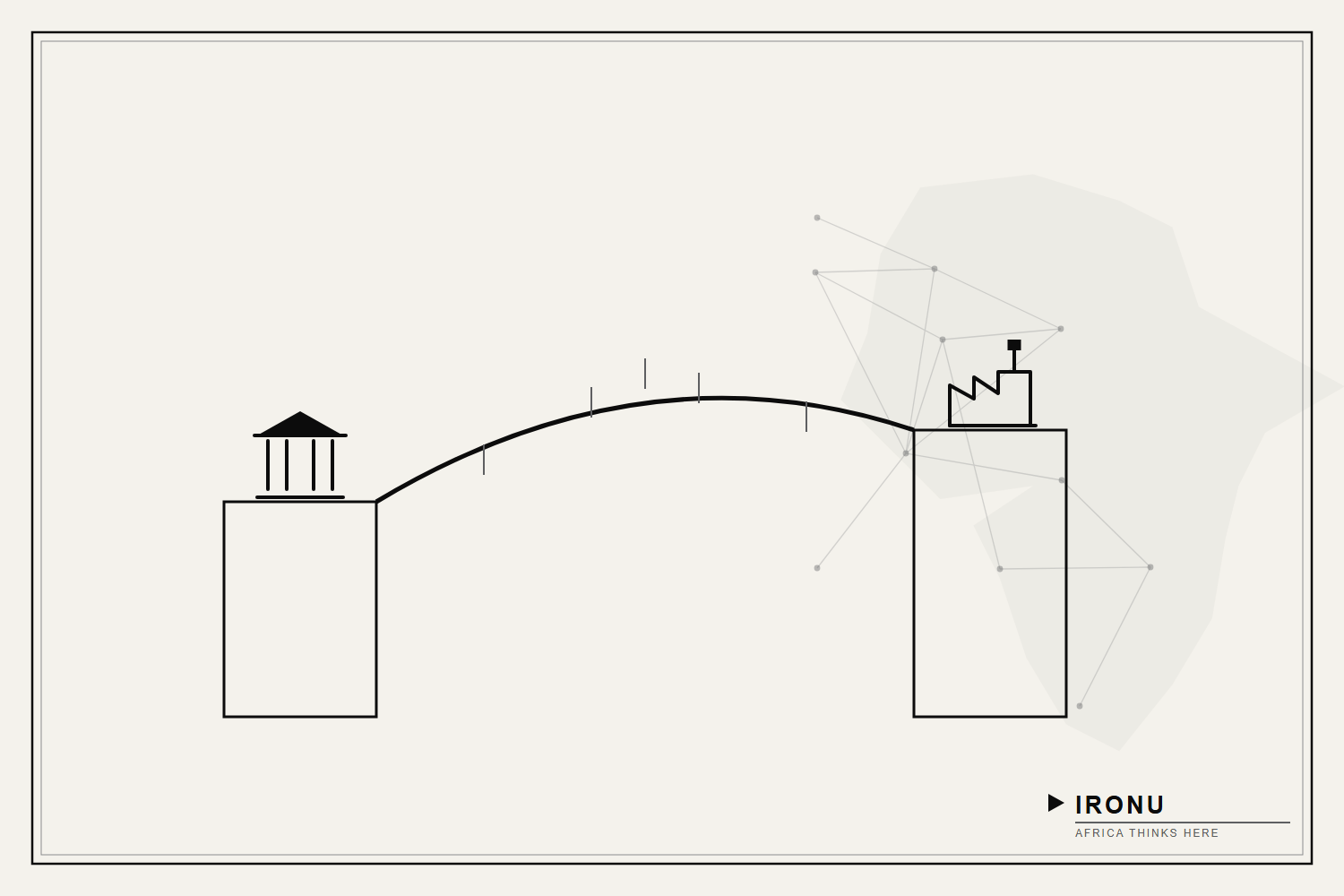
Stripped to its logic, the Dakar scheme couples a congested primary city with a planned satellite pole via modern commuter rail, using the line to redistribute where people live, work and build. The framework rests on several pillars: a state able to finance and coordinate a long-horizon project, a corridor of developable land whose value can be captured, a satellite destination worth commuting to, and a commuter base large enough to justify the service. Each pillar is a policy choice as much as an engineering one. Understood this way, the line is a template for solving a specific problem — the single-corridor coastal capital straining against its own geography — that recurs across the region.
The track is the artefact; the framework is the intellectual property.
Transferability: Which Assumptions Might Fail
Models break at their hidden assumptions. The Dakar scheme presumes a satellite pole, Diamniadio, deliberately built up as a destination; a city without such a planned counterpart would need to create demand rather than merely connect it. It presumes land along the corridor that can be assembled without prohibitive compensation or dispute — an assumption that fails quickly where tenure is contested or informal settlement is dense. It presumes a state with the fiscal and administrative capacity to carry construction risk and sustain maintenance. Transplant the model to a market lacking any one of these, and the economics change. For an operator or planner elsewhere, the discipline is to test each assumption against local conditions before importing the conclusion.
A model is only as portable as its least transferable assumption.
Second-Order Effects: The Consequences That Follow
The deeper analytical value lies in the effects that arrive after the obvious ones. A commuter line that succeeds reshapes land markets, which reshapes who can afford to live near the corridor, which reshapes the political economy of the city. It concentrates commercial activity at stations, potentially hollowing out districts the line bypasses. It creates a maintenance liability that will compete with future budgets for decades. It sets a precedent that raises public expectations for the next project. These second-order effects are where the real lessons sit, and where a planner in another market can anticipate the consequences Senegal will encounter. Reading them early is cheaper than living them late.
The first-order effect is the train; the second-order effects are the city it slowly rearranges.
The Strategic Decision
For an operator, investor or policymaker, the decision is analytical before it is financial. Treat the Dakar line as a case to be dissected, not a success to be copied: extract the framework, identify which assumptions hold in your own market, and map the second-order effects you would inherit. Suppliers and advisers can build a regional practice around this knowledge, packaging the delivery lessons for the schemes that will follow across the WAEMU space. The line’s most durable contribution to West Africa may be intellectual — a tested model of how to connect a straining capital to a planned pole. The operators who study that model most rigorously will be the ones who avoid paying to relearn its lessons.