
West Africa has drawn plans for shared power for decades; the harder task has always been turning a map of interconnections into a system that actually carries current across borders. Liberia’s move to import commercial electricity through the regional line this week is worth reading less as a single connection than as a model — one whose logic other markets will be tempted to copy.
The Framework: A pool, not a plant
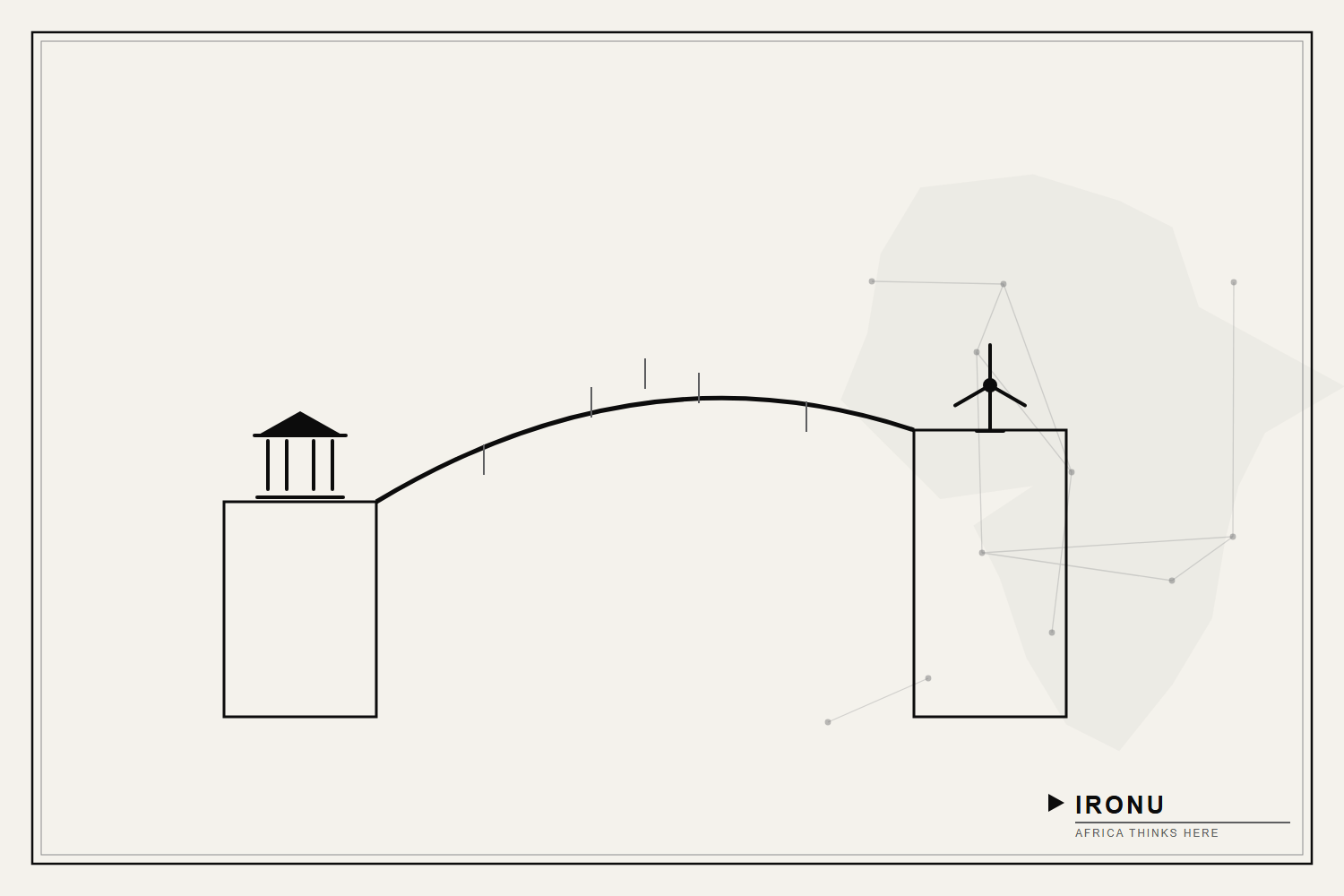
Liberia has advanced commercial power imports through the Côte d’Ivoire–Liberia–Sierra Leone–Guinea interconnection, the CLSG regional transmission project. The intellectual core of the model is a deliberate choice: rather than each small economy building enough of its own generation to be self-sufficient, four countries wire themselves into a shared pool and trade power across the seam. It substitutes regional trade for national duplication, letting cheaper surplus in one country serve a deficit in another.
This is the West African Power Pool logic reduced to an operating asset for the Mano River states — an argument that integration, not autarky, is the cheaper path to reliable power.
Takeaway: The model’s premise is that a shared grid beats four separate walls.
The Logic: Why the design makes sense, and where it strains
The policy logic is sound where it holds. A single transmission backbone owned by a dedicated cross-border company, financed by patient development capital, and feeding national utilities under standing agreements, spreads the cost of reliability across a larger base than any one country could carry alone. It turns power from a purely national problem into a regional market with an operator, a set of contracts and a governance structure.
The strain sits in the assumptions. The design depends on utilities that pay reliably, on cross-border governance that holds under political stress, and on domestic distribution capable of carrying imported power the final distance to users. Weaken any one, and the elegant framework delivers less than its map promises. In Liberia’s case, hard-currency financing set against local-currency receipts is precisely the kind of assumption that must hold for the model to work.
Takeaway: The framework is only as strong as its weakest cross-border assumption.
The Transfer: What travels to the next market, and what does not
The second-order question is transferability. The model — pooled generation, a shared transmission company, development-financed backbone, national offtake — is genuinely portable across West Africa, and its logic is already the template for regional power integration. But the parts that travel are structural; the parts that do not are local. Land tenure along a corridor, the payment discipline of a given utility, the reach of national distribution, and the political durability of cross-border agreements differ market by market.
An operator studying this as a blueprint should separate the design from the conditions. The intellectual property, in effect, is the structure; the risk is always in the local ground it is laid on.
Takeaway: Copy the architecture, but re-test every assumption in the next country’s soil.
The Operator’s Read: Study the model, price the assumptions
The disciplined view on 17 November 2022 is that the model is proven as a design and still being tested as a delivery. Whether it produces reliable, affordable, well-paid-for power in practice remains to be seen — where the operating figures are not yet public, they are [TK], not settled facts.
For a strategist, financier or policymaker weighing a similar interconnection elsewhere, the value of Liberia’s case is as a live experiment: obtain the primary document, interview one party to the arrangement, and map which of the model’s assumptions your own market can actually satisfy. The regional grid is now switched toward Liberia; the lasting lesson is in which assumptions hold and which quietly give way.
Takeaway: The transferable asset is the model; the decisive variable is the local assumption you cannot import.