
Burkina Faso’s farmers rarely lose their crop in the field. They lose it after harvest, in the gap between a full basket and a cold store, a mill or a market that runs on reliable power. On 7 July 2022, the 30 MW Nagréongo photovoltaic plant reached commercial operation under a long-term power-purchase arrangement with SONABEL, adding cheaper, steadier electricity to the national grid. For the agricultural economy, the question is whether that power reaches the places where farm value is won or lost.
For the Agritech and Innovation desk, Nagréongo is not primarily an energy story. It is a story about post-harvest demand, and about who can afford to meet it.
Power Is the Missing Input in Food Systems
Much of the value in agriculture is created, or destroyed, after the harvest. Processing turns raw produce into higher-margin goods; cold storage extends shelf life and widens the selling window; milling and pumping raise both yield and quality. Each of these depends on electricity that is affordable and reliable, and in the Sahel that has long been the constraint.
By strengthening the grid with generation that displaces costly thermal power, the Nagréongo solar plant, commissioned as a PPP project, improves the economics of exactly this post-harvest activity. Cheaper, steadier power makes an agro-processor’s margins more defensible and a cold store’s business case more viable. The transmission from a solar field to a food system runs through the cost of running a motor.
Takeaway: In agriculture, the value is often captured after the field, and power is what captures it.
Demand That Farmers Can Actually Reach
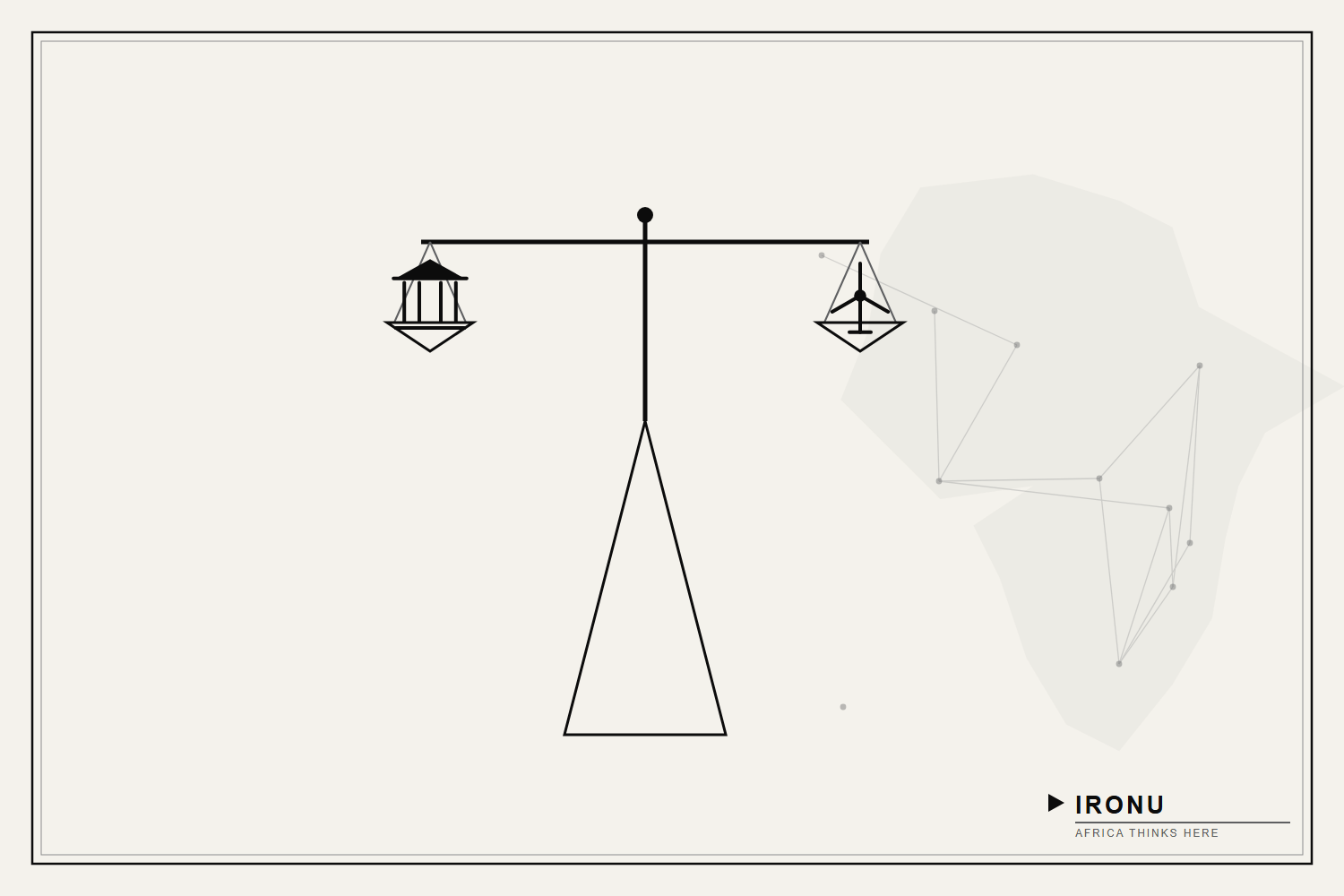
A reliable grid creates the possibility of new agritech demand, but possibility is not access. The tension the desk keeps in view is whether farmers and small processors can capture that value, or whether finance and logistics gaps leave it to larger players. A better grid lowers one barrier; it does not remove the others.
A smallholder cannot install a cold store on cheaper electricity alone. They also need the capital to buy the equipment, the logistics to move produce to it, and the market linkage to sell what is preserved. Nagréongo improves the electricity input; the rural finance and off-taker arrangements that let a small producer act on it are the missing pieces. Where those pieces are absent, the gains flow to whoever already has balance sheet and reach.
Takeaway: Cheap power widens the door, but finance decides who walks through it.
The Agritech Opportunity
This gap is itself the opportunity. A grid that can reliably run cold chains and processing lines is the precondition for agritech models that finance, aggregate and connect smallholders to that infrastructure. Pay-as-you-go equipment, shared cold-storage hubs and off-taker schemes that guarantee a buyer all become more workable when the underlying power is dependable and its price predictable.
For a Sahel economy where agriculture employs a large share of the workforce, the layering matters. Nagréongo supplies the energy foundation; the enterprises that build finance and logistics on top of it are where inclusion is won. The plant makes the model possible; entrepreneurs and financiers make it reach the farm.
Takeaway: Solar builds the platform, but agritech decides who stands on it.
The Operator’s Read
For operators in the food economy, Nagréongo is a signal to look at post-harvest infrastructure with fresh eyes. Processors and cold-chain businesses should reassess their cost base as cheaper, steadier power enters the mix. Agritech founders and rural financiers should treat the improving grid as the foundation for models that close the finance and logistics gaps a better grid alone cannot.
The measured conclusion is that Nagréongo improves the conditions for capturing farm value without guaranteeing that smallholders capture it. That outcome depends on the finance, logistics and market linkages built around the power. For an operator deciding whether to enter, supply or invest, the plant is a foundation to build on, and a reminder that in food systems, energy is necessary but never sufficient.