
A bank corridor is drawn in credit, but it lands in concrete. When a consortium of Algerian public banks opened Algerian Union Bank in Nouakchott this week, the first Algerian bank established abroad, with US$50 million in stated capital and a trade-and-investment mandate, the financial story arrived with a physical one. A new institution needs premises, the trade it finances needs corridors and warehousing, and the projects it hopes to fund will be built with land, permits and engineering capacity that Mauritania must supply. The Property lens asks whether the ground can carry the ambition.
The Physical Footprint: A bank needs an address
The most immediate effect is the smallest. A foreign bank entering Nouakchott takes commercial space, fits it to banking standards, and adds a tenant to a capital-city market where prime, compliant office stock is limited. Rents are set in Ouguiya, but the specification, secure premises, resilient power, connectivity, follows an international template. For local landlords, developers and fit-out contractors, a state-backed entrant is a creditworthy, long-term tenant of the kind the market prizes. It is a modest transaction with an outsized signalling value: institutions plant real estate where they intend to stay.
Where a bank signs a long lease, it is voting on the city’s future.
The demand is narrow but instructive. Compliant, secure, well-connected office stock is the scarce end of Nouakchott’s commercial property market, and a tenant of this profile competes for exactly that stock. Its arrival gives developers a reason to specify to a higher standard and gives the market a visible benchmark for what an international institution will pay and expect. In a capital where the pipeline of grade-A space is thin, one anchor tenant can shift the calculus for the next building.
The Corridor Question: Finance meets the freight route
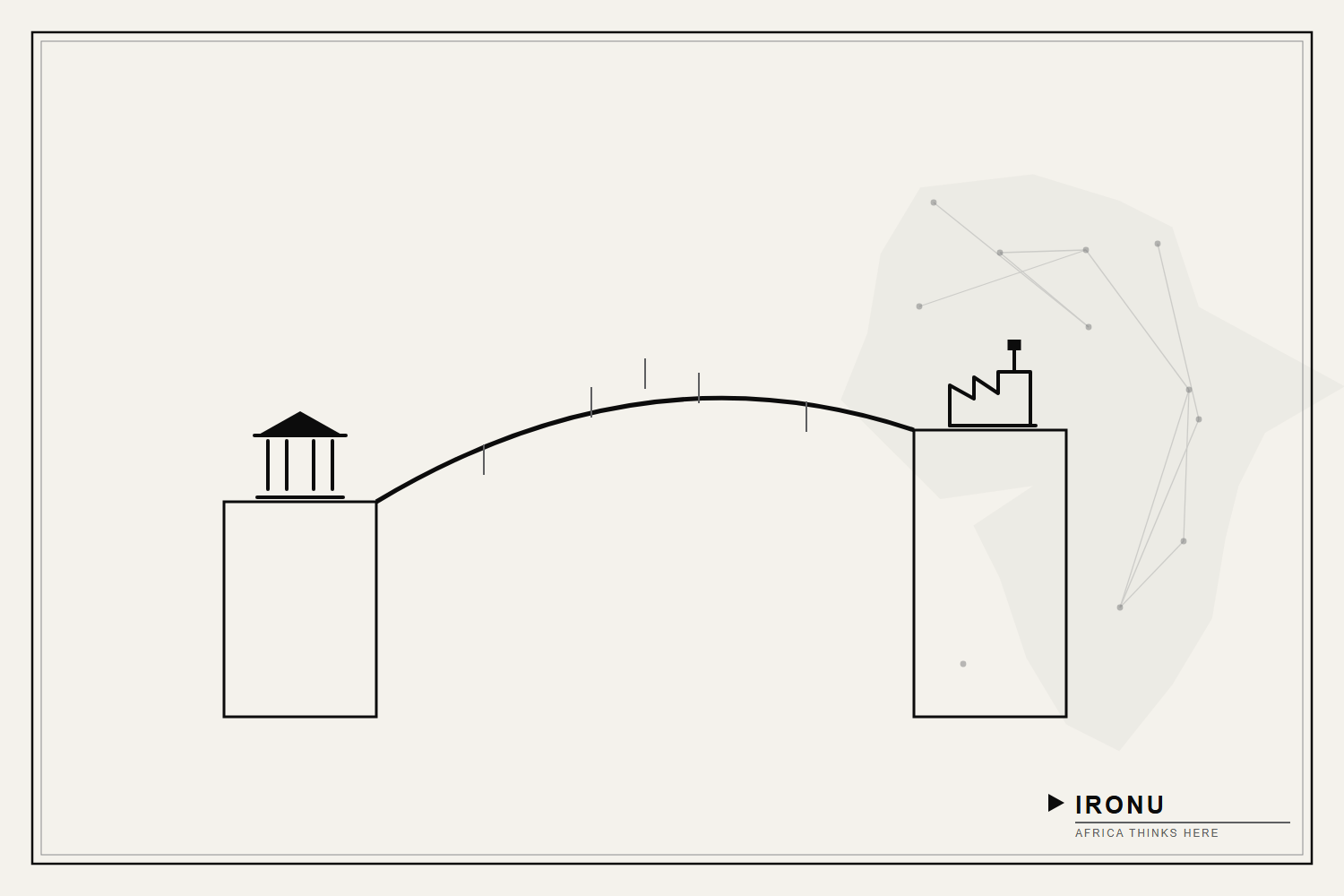
The larger property story is the trade corridor itself. A bank built to finance Algeria-Mauritania commerce is, in effect, financing the movement of goods along a spine that runs through ports, roads, border posts and warehousing. Trade finance only converts into trade if the physical corridor can carry the volume. Mauritania’s relevant infrastructure, its northern land routes and its port and logistics capacity, will shape whether the bank’s credit finds real cargo to move. This is the point at which financial ambition meets engineering reality: a letter of credit cannot compensate for a bottleneck at the border.
Credit can fund a shipment, but only a corridor can carry it.
Delivery Risk: Land, permits and the long middle
The investment-support half of the mandate points at construction proper. If the bank helps fund projects, warehouses, processing plants, commercial developments, then land assembly, permitting, engineering capacity and, later, maintenance become the binding constraints. These are the quiet determinants of whether financed projects are delivered on time and hold their value. Compensation for land, the availability of skilled contractors, and the discipline of maintenance regimes decide the real return on any building the corridor calls into being. A US$50 million balance sheet can start projects; local delivery capacity determines whether they finish well.
Projects are approved in a boardroom and lost in the permitting queue.
The Operator’s Read
For developers, contractors and logistics operators, this week’s launch is a prompt to map the physical footprint of a financial event. The opportunity sits with those positioned along the Algeria-Mauritania corridor, in warehousing, in compliant commercial space, and in the engineering capacity that financed projects will need. The decision is whether to build ahead of demonstrated demand or to wait for the credit to prove the cargo. The prudent operator surveys the corridor now, prices the bottlenecks honestly, and treats the bank’s opening as the first sign of where the concrete may follow the credit.