
Every institution eventually becomes a set of buildings, roads and serviced plots — and a continental one becomes them at scale. AfCFTA spent years as a treaty with no physical footprint; the debate was about tariffs, not tenancies. This week that changed on the ground in Accra. The permanent AfCFTA Secretariat was commissioned in Ghana’s capital, making Ghana the host of continental trade implementation and, for the property and infrastructure sector, turning a policy story into an asset-and-corridor question.
The Development: A Policy Body Lands as Real Estate
A permanent headquarters is, before anything else, occupied space. Commissioning the Secretariat in Accra creates a durable institutional tenant and concentrates trade diplomacy, policy expertise and the professional services around it in one district of the city. That has direct property implications: demand for prime office and conference space, for hospitality to serve visiting delegations, and for the serviced-commercial environment an international institution expects. It also carries the ordinary delivery questions any significant building raises — land, permits, engineering capacity and long-run maintenance. A headquarters is commissioned in a day; it is serviced for decades.
The takeaway: an institution is a policy on paper and a maintenance schedule on the ground.
The Asset Map: Space, Services, Corridors
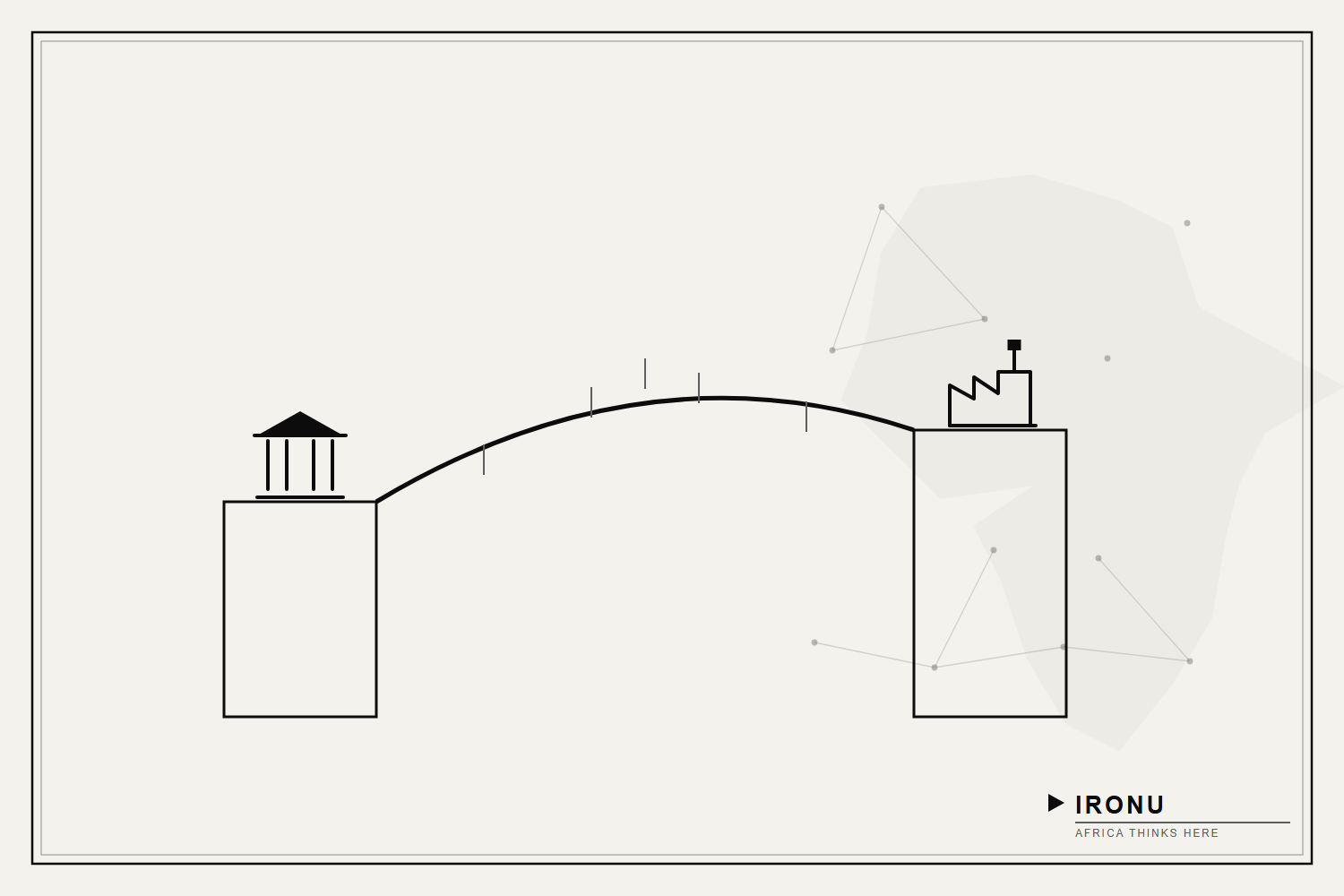
The property opportunity sits in three layers. The first is the built asset itself and its immediate envelope — office space, conference facilities and the hospitality capacity that a permanent international body draws to Accra. The second is the commercial ecosystem that clusters around such an institution: professional-services offices, serviced accommodation and the retail and logistics that support a visiting-delegation economy. The third, and larger over time, is the corridor dimension. AfCFTA is ultimately about goods moving between member states, and its implementation directs attention to the ports, roads and border infrastructure that carry that trade — Ghana’s Tema and Takoradi gateways and the corridors linking them inland and to neighbouring markets.
Separating these matters because they run on different clocks and different balance sheets. The office-and-hospitality layer responds quickly and is modest in scale against Ghana’s ₵-denominated construction market. The corridor layer is slower, far larger, and depends on public and development finance as much as private capital.
The takeaway: the headquarters is the visible asset; the corridors are the valuable one.
Delivery Risk: Land, Permits, Capacity, Maintenance
The honest part of any property story is delivery, and the questions here are concrete. Prime commercial development in Accra runs into land assembly and title, permitting timelines, and the availability of engineering and construction capacity — the same constraints that shape any major build in the city. For the corridor layer, the risks are heavier: compensation for land acquisition, the engineering demands of ports and highways, and the maintenance obligations that determine whether infrastructure keeps delivering after it is built. A corridor that is constructed but not maintained is a depreciating asset dressed as a growth one.
For an operator, these are not reasons to stay out; they are the variables to price. The Secretariat’s presence raises the strategic value of Ghana’s commercial and logistics real estate, but only disciplined attention to land, permits, capacity and upkeep converts that into a deliverable project.
The takeaway: proximity to the institution raises the value; delivery discipline realises it.
The Operator’s Read
For a developer, contractor, engineering firm or property investor deciding whether to enter, supply, partner or monitor, the commissioning sharpens two distinct plays. The near play is Accra commercial and hospitality real estate positioned to serve a permanent institutional tenant and its ecosystem — a defined, near-term demand. The larger play is the trade-corridor infrastructure that continental implementation will increasingly require, where Ghana’s ports and inland routes become the physical expression of AfCFTA, and where construction, engineering and maintenance capacity are the binding constraints.
The measured conclusion is that hosting the Secretariat gives Ghana’s property and infrastructure sector a genuine, layered opportunity — one that rewards operators who read the corridor map as carefully as the office market. The building in Accra is the headline; the roads, ports and serviced space that let a continental market actually move goods are the enduring asset.
Map the corridors before you price the plot.