
Côte d’Ivoire has just added handling capacity at its main port; the more useful exercise is to read the terminal as a model and ask which of its assumptions would survive being copied elsewhere. A gateway works not because of its cranes but because of the framework around them — the corridor, the customs regime, the monetary zone. This week the Port of Abidjan brought its second container terminal into operation, with modern, automated equipment and depth for larger vessels. The equipment is portable; the logic that makes it pay is not.
The Framework: A terminal is a system, not a machine
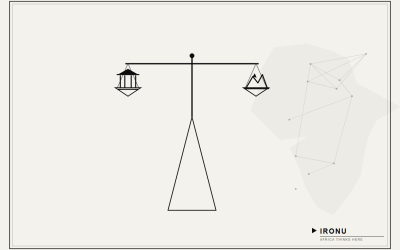
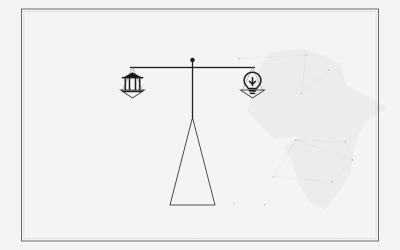
The strategic logic here is layered. At the base is physical capacity — berths, yard, automated equipment. Above that sits the corridor: the road and rail links that carry boxes inland. Above that sits policy: customs procedures, transit agreements, and the CFA franc’s shared monetary framework under the BCEAO, which lets one facility serve several national markets without currency friction. Remove any layer and the asset underperforms. A terminal dropped into a market without an efficient corridor or a workable transit regime is an expensive quay serving a small hinterland.
The crane is the visible tenth of the model; the framework beneath it does the real work.
The Map: Where the asset draws its power
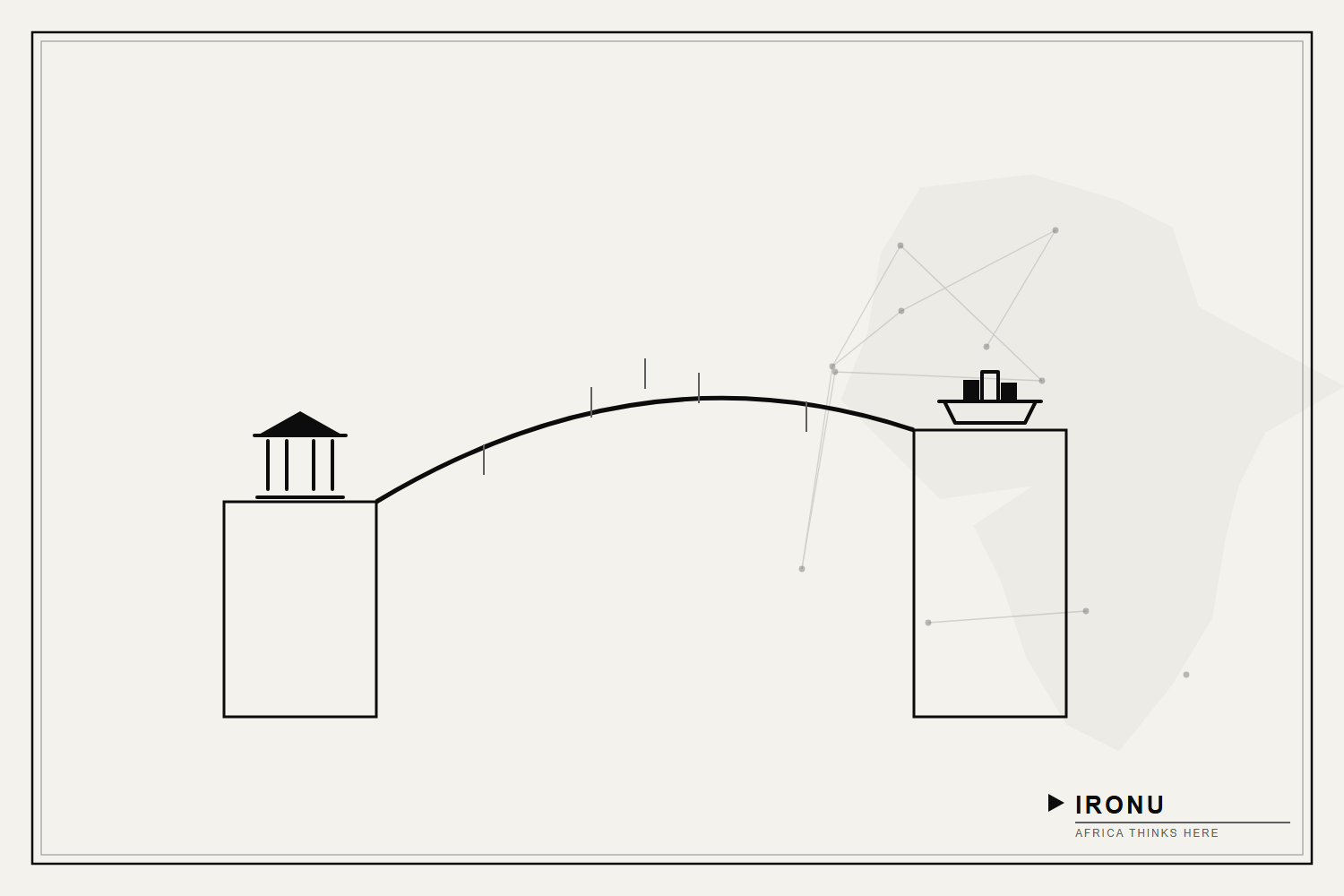
Abidjan’s second terminal reinforces the port’s role as a gateway for Burkina Faso, Mali and Niger. That is not incidental to the investment case; it is the investment case. The asset’s value is a function of the corridor it commands and the captive landlocked demand behind it. Map the region as assets and corridors rather than as countries, and the terminal becomes one node in a competitive lattice that also runs through Tema, Lomé and Dakar. Each gateway is bidding for the same interior cargo, and capacity is one move in a longer contest for corridor share. The strategic implication is that a terminal investment is really a bet on a corridor: on the roads, the border posts and the transit agreements that decide whether cargo flows to your quay or a competitor’s. Read the asset without the corridor and the numbers mislead; read them together and the logic of the placement becomes clear.
An asset’s worth is set less by its own capacity than by the corridor it can capture.
The Transfer: Which assumptions travel
The second-order question is transferability. The hardware — automated equipment, deep berths — can be procured anywhere with capital. What may not travel are the enabling assumptions: a functioning transit corridor to landlocked neighbours, a customs administration that clears goods predictably, political stability along the route, and a monetary zone that removes exchange friction. A port authority elsewhere could replicate the terminal and still fail if those conditions are absent. The lesson for any operator or policymaker studying Abidjan is to separate the copyable asset from the local conditions that give it value. It is also why continental ambitions such as AfCFTA rest less on building more hardware than on harmonising the soft infrastructure — transit rules, border efficiency, payment systems — that lets hardware perform. The terminal is a reminder that the binding constraint on West African trade is rarely the crane.
Infrastructure is exportable; the institutions that make it profitable rarely are.
The Decision: Read the model before borrowing it
For a strategist, the decision as of today is diagnostic rather than immediate. Before backing or benchmarking against a comparable terminal, test which of Abidjan’s enabling layers exist in the target market — corridor, customs, stability, currency. Côte d’Ivoire’s institutional trajectory, visible in the World Bank’s country engagement, is part of why the model coheres here. The framework is the intellectual property worth studying; the crane is merely its most photogenic output.
Copy the terminal and you buy a machine; copy the framework and you buy the returns.