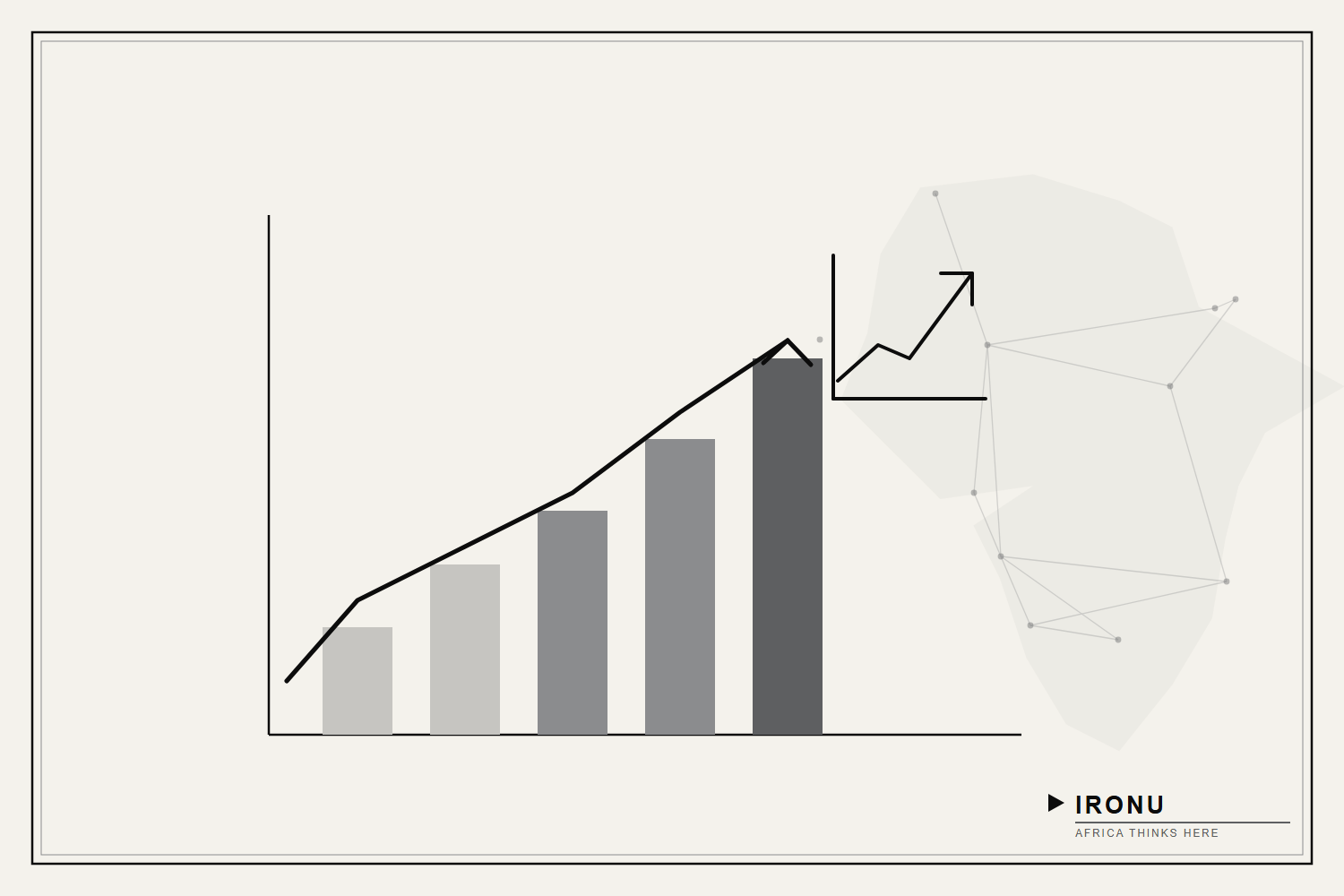
A growth forecast and a debt warning rarely sit comfortably in the same sentence, yet for Ghana they now do. In April 2026 the International Monetary Fund revised the country’s 2026 growth forecast up to 4.8%, citing strong programme implementation and improved macro indicators, while noting that debt sustainability remains a concern. The dual message — faster growth, unfinished repair — is the most honest description of where the Ghanaian economy stands, as captured in the Ghanaian Times account.
The Upgrade: What 4.8% Reflects
A forecast revision upward is the IMF telling its own staff and markets that the country is outperforming the path it was expected to walk. The cited drivers — strong programme implementation and improved macro indicators — point to discipline rather than luck: a government delivering on the conditions attached to its IMF arrangement, with inflation, the Cedi and the fiscal accounts moving in the right direction.
For Accra, the number carries weight beyond its decimal. Investors and lenders read IMF forecasts as an independent audit of policy credibility. A 4.8% upgrade lowers the perceived risk of holding Ghanaian assets and strengthens the government’s hand in negotiations on debt and financing. It also feeds into the cost of capital every operator lives with: when the Fund signals that the macro path is holding, the premium lenders attach to Ghanaian risk narrows, and that reaches businesses borrowing in Cedi before it reaches the headlines.
The takeaway: the upgrade is less a prediction than a grade for staying the course.
The Caveat: Debt Sustainability Still Sets the Ceiling
The Fund’s qualifier is not a footnote. Debt sustainability remaining a concern means that even with faster growth, the question of whether Ghana can service its obligations without crowding out everything else is unresolved. Growth helps — a larger economy can carry a given debt more easily — but it does not by itself cure a debt burden that was built up over years and restructured at cost.
This is the discipline beneath the optimism. The same programme that earned the growth upgrade exists precisely because the debt position required correction. The 4.8% figure is permission to keep going, not permission to relax. Spending pressure, election cycles and external shocks all sit on the other side of the ledger, and any one of them can reopen a gap that took years to close.
There is a sequencing point here that operators tend to feel before economists name it. A government that has earned an upgrade by holding its programme will be reluctant to jeopardise it, which means fiscal policy is likely to stay tight even as growth firms. The cost of that restraint falls on public spending and on the pace at which the Bank of Ghana can ease. Disinflation that brings policy rates down is the channel through which the upgrade eventually becomes cheaper credit, and that channel runs only as fast as the debt position allows.
The takeaway: growth buys time on the debt; it does not retire it.
The Context: A Region Watching Ghana’s Recovery
Ghana’s trajectory is read closely across West Africa because the country went through a visible debt crisis and a publicly negotiated recovery. A credible rebound from that position is a template others study, much as a patient who completes a hard course of treatment becomes a case the ward learns from. The IMF’s upgrade suggests the treatment is working, even as the chart still warrants watching.
For the wider continent, the lesson is that macro credibility is rebuilt slowly and forecast by forecast, not declared. Ghana is earning it back in increments, and 4.8% is this year’s increment. The comparison that matters is not with the boom years before the crisis but with the trough the economy climbed out of, and against that baseline a steady, programme-anchored expansion is the more durable kind of recovery. It is also the kind that the Ghana Stock Exchange and the country’s external creditors can underwrite without assuming a return to the borrowing habits that caused the trouble.
The takeaway: recoveries are believed only after they are repeatedly delivered.
What It Means for the Operator
For businesses in Accra, Kumasi and Tema, an upgraded growth outlook with a debt caveat argues for confident but disciplined planning: demand should firm, financing conditions should ease at the margin, but no one should bet on a sudden fiscal loosening that the debt position cannot support. Exporters and investors gain a steadier backdrop; the prudent will keep one eye on debt-service developments that could still tighten conditions. The practical posture is to size investment to a recovery that is real but gradual — to plan for credit that gets cheaper slowly rather than all at once, and for a Cedi that the Fund’s verdict helps steady rather than strengthen overnight. Ghana has earned a better number, and the responsibility that comes with protecting it.