
Financing closes in a meeting room; power arrives only after land is cleared, cables are strung and someone maintains the asset for a decade. Between the two lies the part of an infrastructure project where Sahelian ambitions most often slow down. That is the ground on which to assess the Donsin solar project, the 25 MW solar-plus-storage plant advanced by concessional China Exim credit at Burkina Faso’s new Ouagadougou-Donsin airport site.
The Site: Why Donsin
The reported package is roughly €45.7 million of concessional credit, about CFA 30 billion at the CFA franc’s fixed euro parity of 655.957, behind solar generation, battery storage and a grid connection. The location is not incidental. Co-siting a solar plant with the new Donsin airport gives the project several delivery advantages: a defined institutional load nearby, land already within a planned development zone, and access roads and services built for the airport itself. For a utility-scale solar asset, which is land-hungry and needs reliable site access, that shared footprint reduces some of the hardest early-stage frictions.
As the reporting that China committed financing for the Donsin airport plant indicates, the asset ties into the grid through the national utility SONABEL. The engineering task is therefore not only to build generation but to integrate storage and connect it into existing infrastructure.
Site selection is half the engineering decided before a panel is mounted.
The Build: Land, Permits and Capacity
Delivery is where the numbers meet the ground. A 25 MW solar farm requires a substantial cleared and secured land parcel, civil works for mounting structures, a battery installation with its own housing and safety engineering, and a connection to the grid. Each step carries a Burkinabè-specific question. Land and permits must be settled cleanly, including any compensation where use rights are affected. Domestic engineering and construction capacity determines how much of the build is executed locally versus imported. And security conditions in parts of the country add a logistics and risk layer that a comparable plant elsewhere would not carry.
The grid connection is the quiet make-or-break. A plant is only as useful as its ability to evacuate power into a network that can absorb it; weak grid infrastructure can strand generation. Storage helps by buffering output, but integration engineering, substations, protection systems and dispatch, still has to be delivered.
The asset is finished not when it is built, but when it is connected.
The Life-Cycle: Who Maintains It
Infrastructure economics do not stop at commissioning. A solar-plus-storage asset needs cleaning, inverter servicing, battery management and eventual component replacement across its operating life. That maintenance requirement is a standing, recurring contract, and it is precisely the layer where local firms can enter even when the headline finance and lead construction are foreign. Battery systems in particular carry a defined replacement horizon, creating predictable future work and a future capital call that the operating model must plan for.
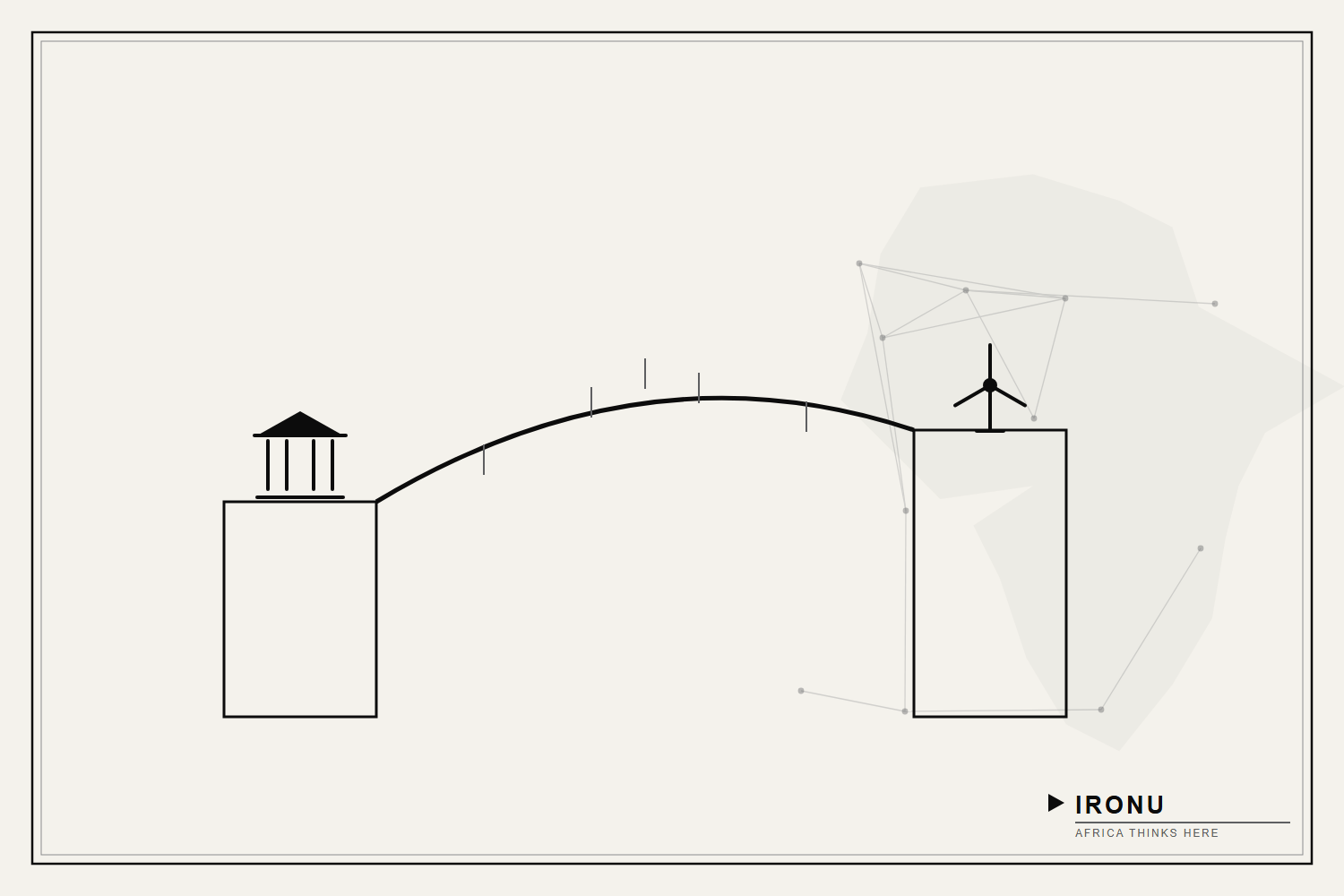
This is the corridor map operators should draw: not just the plant, but the chain of land, civil works, connection and long-run operations and maintenance around it. Each segment is a distinct commercial opportunity with a distinct local-content potential.
The contract that lasts longest is maintenance, not construction.
The Decision: Supply, Build or Monitor Delivery
For a Burkinabè engineering or construction operator, the openings are concrete. Civil-works, security, transport and site-services firms should position for the build-phase procurement around the plant. Electrical and O&M specialists should target the long-tail operations and maintenance contracts, the most durable and most localisable part of the value chain. Financiers and public institutions should monitor the classic delivery risks, land, permits, grid works and disbursement timing, since these, not the financing, are where Sahelian projects most often stall.
What is verifiable this week is a financing arrangement, a capacity figure, a storage component and a grid connection. Construction timelines, the exact site parcel, compensation terms and the local-content share are [TK] until the primary documents and delivery plan are public. The engineering read is nonetheless clear: Donsin’s co-siting with the airport gives it real delivery advantages, but the value for local operators lies less in the announced megawatts than in the corridor of land, works, connection and maintenance those megawatts require.
A solar plant is not an event; it is a decade of contracts wearing a single name.