
The hardest question about any new airport is not who will fly through it, but who paid to build it and who carries the risk if the passengers do not come. Sierra Leone’s newest asset was delivered without the state fronting the capital — a deliberate answer to a country where public financing is scarce and the Leone has been under strain. Sierra Leone opened a new passenger terminal at Freetown International Airport under a private-development and operating arrangement, and for a finance desk the terminal is best read as a deal structure that happens to look like a building.
Follow the capital, and the real story of the gateway comes into focus.
The Structure: Who finances, who operates
A build-and-operate arrangement rests on a simple bargain. A private developer finances and constructs the terminal, then operates it for a defined concession period, earning a return from aeronautical charges and commercial revenue before the asset reverts to the state. The public partner contributes the underlying concession and regulatory framework; the private partner contributes capital and operating capability. It is a familiar template for delivering infrastructure where a sovereign balance sheet cannot easily stretch.
The attraction for Sierra Leone is that the upfront financing burden and construction risk sit with the developer, not the treasury. The corresponding cost is a share of future revenue and control over the concession’s life. Whoever finances the asset writes the terms — and the terms are the deal.
The Risk Allocation: Where the exposure sits
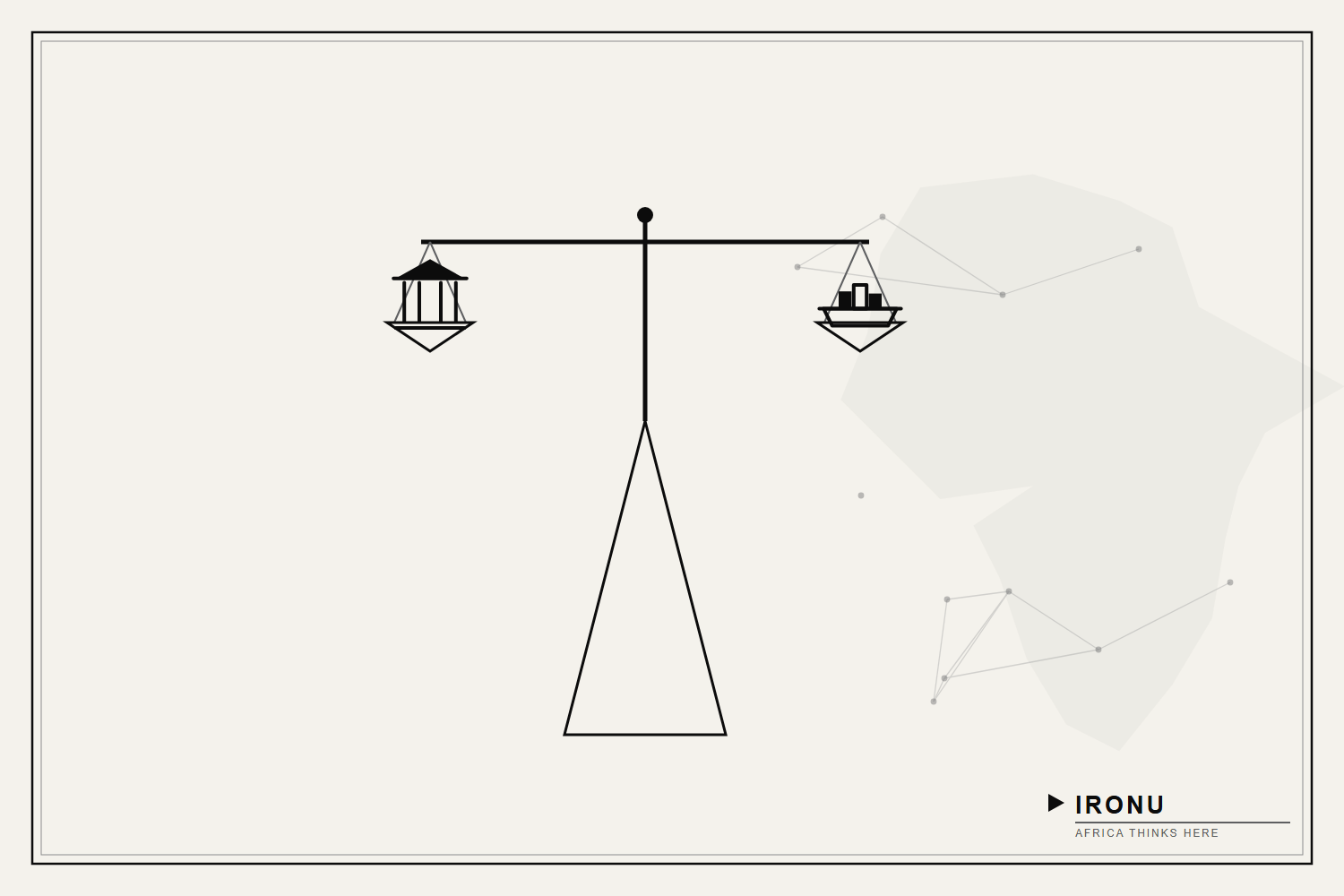
The bankability of a terminal like Lungi’s turns on how demand risk is shared. If passenger volumes disappoint, someone absorbs the shortfall — the operator through thinner returns, or the state through any revenue guarantees or traffic assurances embedded in the concession. The precise allocation is the single most important commercial variable, and it is not specified in the public facts; the concession’s risk-sharing terms remain [TK] and are the first thing a serious analyst would seek.
For a small economy, the danger is a structure that privatises the upside while leaving contingent liabilities with the state. The strength of the model is that it can align the operator’s return with real performance — throughput, retail, service quality — rather than with completion alone. Bankability is not about the building; it is about who holds the demand risk.
The Local Entry Point: Can Sierra Leonean capital participate
The more interesting finance question for domestic operators is whether local capital can enter the structure at all. Concession assets generate several tiers of opportunity below the headline sponsor — ground handling, retail and food-and-beverage concessions, transport services, and the financing of adjacent facilities such as hotels and warehousing. These are the layers where Sierra Leonean firms and Leone-denominated capital can plausibly take positions without competing for the primary equity ticket.
Whether that participation happens depends on how the operator structures its supply chain and sub-concessions. A gateway that sources its services locally recycles more of its revenue into the domestic economy; one that imports everything keeps the value offshore. For local financiers, the sub-concession tier is the accessible door.
The Operator’s Decision: Read the concession, then position
As of 3 March, the decision for founders and investors is not whether the terminal exists but whether its financing structure offers an entry point. The asset improves connectivity and signals that Sierra Leone can attract private capital into infrastructure — a useful precedent for the next deal. The returns available to local operators, though, will be found in the ecosystem of services and adjacent assets, not in the primary concession.
The practical move is to obtain the concession’s public terms where available, identify the sub-concession and supply opportunities, and weigh the demand risk honestly before committing Leone-denominated capital. Financiers should treat the structure as a template to study for future Sierra Leonean projects. The terminal is a financing story wearing an architectural face — the operators who read the capital stack will find the opportunity the building only advertises.