
Africa trades with itself in other people’s money. For decades a payment between two African firms, a Nigerian importer and a Ghanaian supplier, an Ivorian exporter and a Senegalese buyer, has typically been routed through banks and currencies outside the continent, adding cost, delay and foreign-exchange exposure to transactions that never left the region. That structural detour is the friction the African Continental Free Trade Area was always going to run into. This month the continent moved to close it.
On 13 January 2022 Afreximbank and the African Union launched the Pan-African Payment and Settlement System, PAPSS, to enable cross-border payments and settlement in African currencies. As set out in the official launch of PAPSS in Accra, the system offers real-time settlement, reduces dependence on third-country currencies, and provides direct payment infrastructure for AfCFTA commerce. For anyone following the capital, the launch reframes a basic question of who pays, who carries risk, and who can enter the structure.
The Friction: What PAPSS Removes
The case for PAPSS begins with a cost that most balance sheets absorb quietly. When a payment between two West African countries is cleared through a correspondent bank abroad and converted twice through a third currency, usually the US dollar, the transaction accumulates fees, settlement lag and currency risk. Multiply that across the thousands of intra-regional trades that AfCFTA is meant to unlock, and the friction becomes a tax on continental integration itself.
PAPSS proposes to route those payments directly, settling in African currencies in real time. The proposition is infrastructural rather than promotional: it does not create demand for intra-African trade, it lowers the cost of servicing the demand that already exists.
The cheapest way to grow African trade may be to stop paying to move African money through other continents.
The Capital Stack: Who Funds and Who Carries Risk
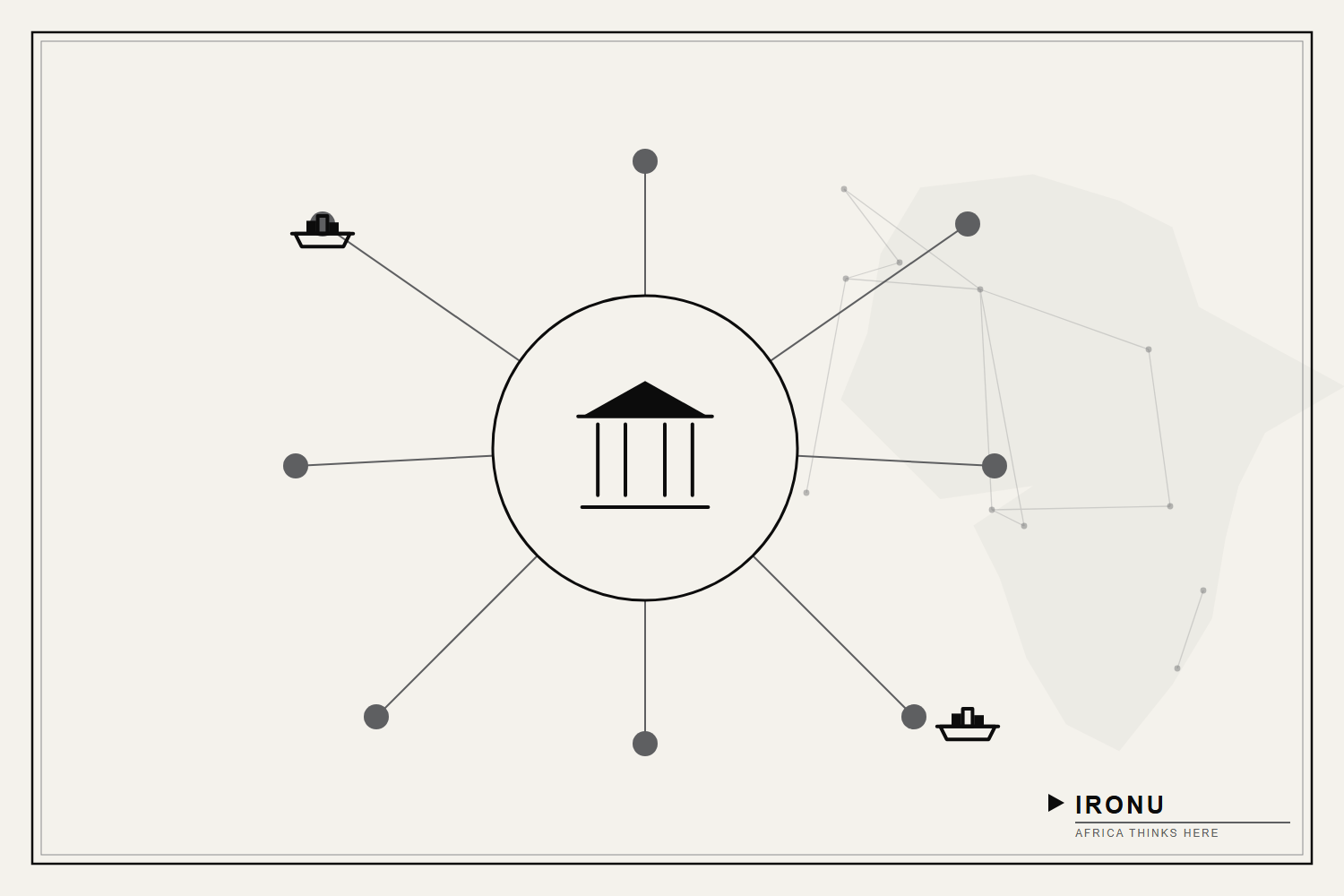
Follow the capital and the structure comes into focus. PAPSS is anchored by Afreximbank’s payment and settlement infrastructure working with the African Union and, critically, with central banks and commercial banks that must integrate at national level. That layering matters, because it determines where risk sits. A settlement system carries the obligation to guarantee that a payment instructed is a payment delivered, and standing behind that guarantee requires balance sheet, liquidity arrangements and clearing discipline provided by the institutions at the centre.
For a West African operator the practical questions are about entry. Banks and fintechs able to connect to the system can offer their clients faster, cheaper cross-border settlement and compete for the flows it carries. The bankability of that opportunity depends on how quickly national institutions integrate, and integration is a process rather than an event.
Infrastructure changes who can compete, but only after the connection is built, not on the day it is announced.
The Regional Opportunity and Its Conditions
For West Africa the promise is concrete. Banks, fintechs, exporters and importers across the region gain a route to lower settlement friction once their national institutions plug in. In a region split between the naira, the cedi, the WAEMU zone’s CFA franc and several other currencies, a system that settles directly in local money addresses a genuine, daily obstacle to cross-border business, and it does so in service of the wider AfCFTA agenda coordinated through the AfCFTA Secretariat.
The condition attached to the opportunity is adoption. A settlement network is worth what its connections are worth; its value rises with each central bank and commercial bank that joins and falls short wherever integration lags. On launch day the infrastructure exists; the network effect is still to be earned.
A payment rail is only as valuable as the institutions willing to run traffic across it.
The Operator’s Read
For a financier or operator the decision is to enter, finance, supply, partner or monitor. A bank or fintech with cross-border ambitions has reason to assess early integration, because first movers on a new rail can win share while switching costs are low. An exporter or importer should watch which corridors and currencies come live and price the potential saving on settlement and foreign exchange into its planning. A more cautious operator should monitor adoption before committing, since the returns follow the connections.
The measured view is that PAPSS is a serious piece of financial plumbing whose value is real but conditional. It removes a cost the continent has long paid without naming. Whether that saving reaches balance sheets depends not on the ceremony in Accra but on how many institutions choose to connect, and how soon.