
Every large piece of public infrastructure poses the same quiet question before it poses any other: who paid for it, and how do they get their money back. The Dakar Regional Express Train, which entered passenger service this week connecting the Senegalese capital to the new town of Diamniadio, is a visible asset with an invisible architecture — a funding structure, a set of returns and a distribution of risk that will determine whether it is a model worth repeating or a burden worth avoiding. For anyone who follows the capital rather than the trains, that architecture is the story.
The line was launched to relieve Dakar’s gridlock, and the way its financing is structured will shape every scheme that hopes to follow it.
Follow the Capital: Who Funds a Railway
Urban rail rarely pays for itself from the farebox alone. Commuter fares are held affordable by design, which means the capital behind a project of this scale typically blends sovereign borrowing, development finance and, where structured well, private participation. The precise mix on the Dakar line is a matter for the primary financing documents [TK], but the general principle holds: the state carries much of the upfront cost because the returns are partly social — decongestion, productivity, cleaner air — and do not accrue to a single balance sheet. The bankable question is how much of the cost can be recovered from fares, property value capture near stations and commercial concessions, and how much must be funded from the public purse over the asset’s life.
A railway’s first passenger is capital, and it boards years before anyone else.
Risk Allocation: Where the Exposure Sits
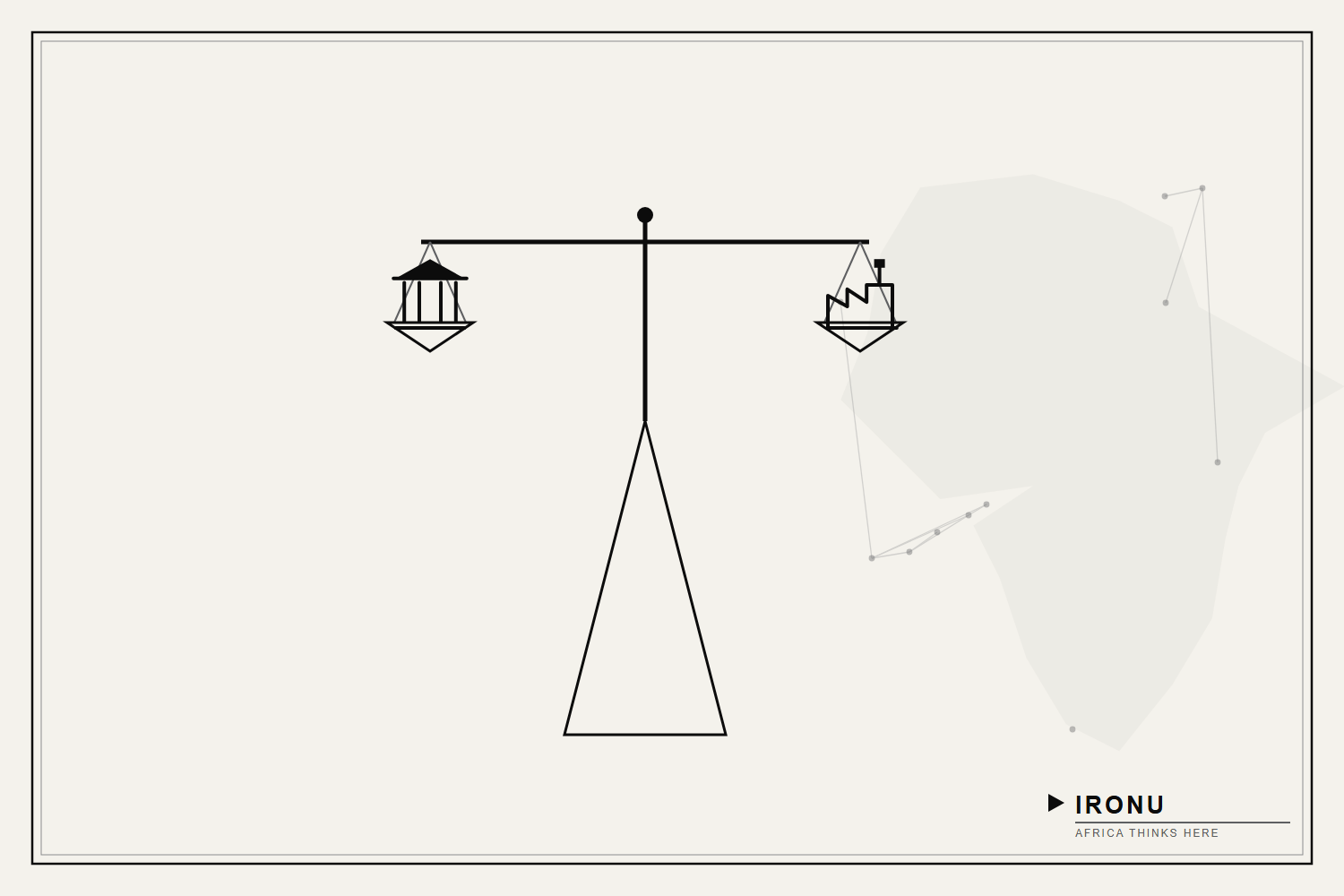
Financing is ultimately an argument about who bears which risk. Construction risk — cost overruns, delays, engineering surprises — is usually carried by contractors under fixed-price terms, though the state absorbs what contracts cannot. Ridership risk, the danger that too few passengers use the line, tends to sit with the public operator, because fare levels are a policy choice rather than a market one. Maintenance and availability risk can be transferred to specialist firms under long-term contracts that pay for performance rather than presence. For a Senegalese firm eyeing the financing structure, the entry points are specific: performance-based maintenance mandates, station commercial concessions and supply contracts are more accessible than the senior debt tranches that development institutions and sovereign lenders occupy. Knowing where the risk sits is knowing where the return is.
Infrastructure does not eliminate risk; it decides who is holding it when the train is late.
Bankability and the Regional Pipeline
The deeper significance of the Dakar line’s financing is what it teaches the region. As the flagship large-scale urban rail investment in francophone West Africa, its capital structure becomes a reference for how such projects can be made bankable in a BCEAO-zone economy. If fare revenue, land value capture and concessions can carry a meaningful share of the cost, the model becomes replicable and the region’s pipeline of urban transport schemes gains a financing template. If the burden falls almost entirely on the sovereign, future projects will compete against every other demand on a constrained budget. The structure chosen in Dakar is therefore being watched by finance ministries and lenders well beyond Senegal.
One project’s financing plan is the next project’s business case, for better or worse.
The Financing Decision
For an operator, financier or supplier, the decision is to find the tranche that fits. Local firms should target the maintenance, concession and supply layers where domestic participation is realistic rather than the senior capital they cannot reach. Financiers should study the risk allocation for the signal it sends about how Senegal structures large projects, and whether that structure is one they can lend into. Public institutions elsewhere should extract the bankability lessons before commissioning their own schemes. The train is running; the more consequential question is whether its balance sheet can be repeated. That answer will decide how many more lines the region can afford to build.