
A submarine cable is celebrated as a triumph of the sea, but its economics are decided on land. The EllaLink system entered commercial service this week, giving Cabo Verde a direct high-capacity route between Europe and Latin America — and with it a set of onshore questions about land, buildings and engineering that determine whether a cable becomes a gateway or stays a wire in the water. For anyone assessing the physical infrastructure, the interesting story starts where the sea ends.
The Asset: From landing point to real estate
The headline asset is offshore, but the assets that generate onshore value are terrestrial. A cable of this kind needs a landing station, protected routes for the fibre that carries traffic inland, and — if a gateway role is to mean anything — data-centre and cloud-connectivity facilities where capacity can be interconnected and sold. Each of these is real estate and engineering before it is digital. A data centre is a specialised building with demanding requirements for power, cooling, security and redundancy; a landing station is a critical facility that must be sited, permitted and protected for decades.
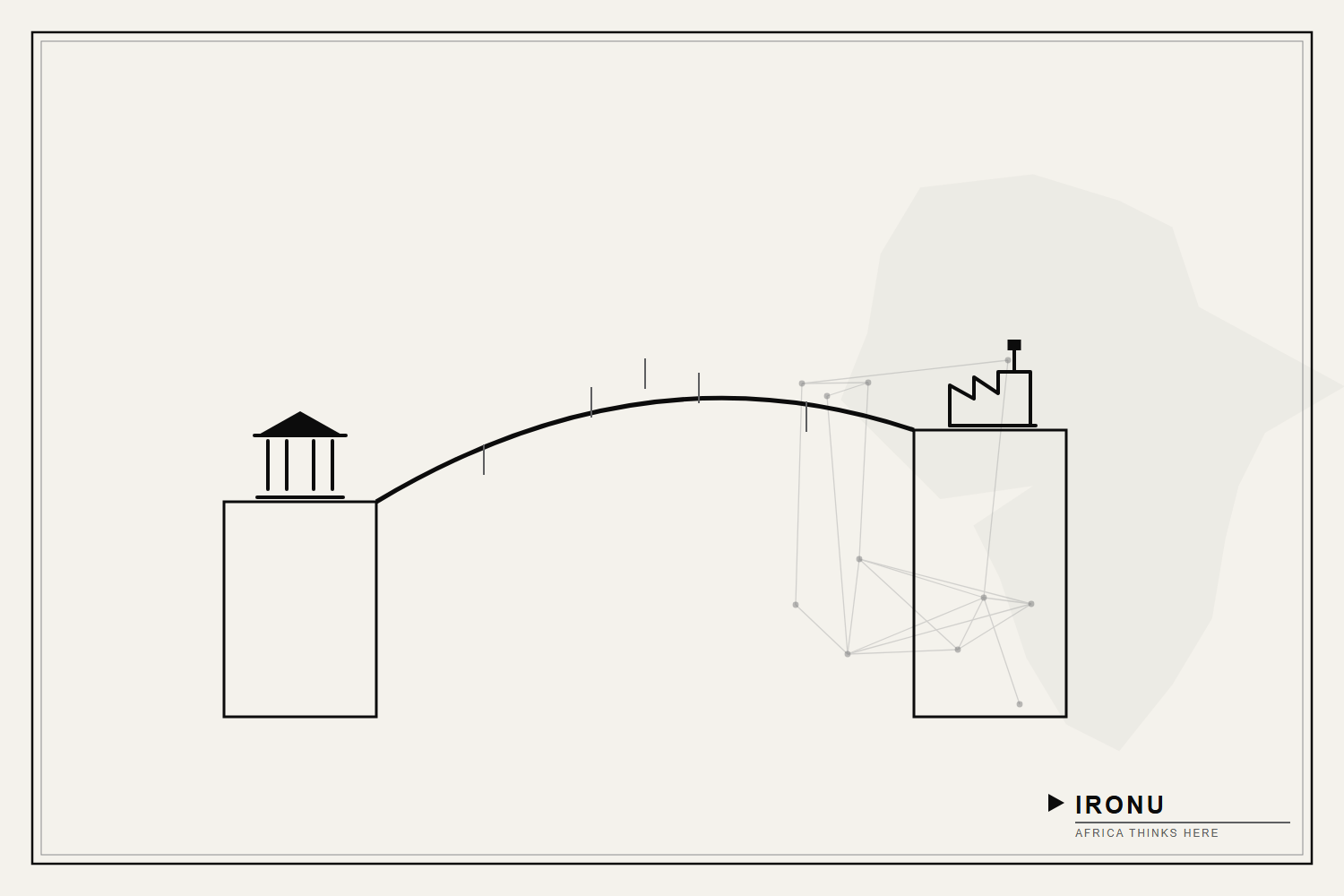
The map that matters, then, is not the trans-Atlantic route but the short corridor from the shore to the places where capacity meets customers. That corridor is where land, permits and construction capacity become binding constraints.
The cable is offshore; the value is a building with power and a door.
The Corridor: Land, permits and engineering capacity
Cabo Verde’s local tension is exactly this delivery problem: how land access, permits, engineering capacity, compensation and maintenance will shape what actually gets built. On islands where suitable, well-connected land is finite and where construction inputs are largely imported, the physical economics are unforgiving. Siting a facility requires secure tenure and clear permitting; building it requires engineering skills and materials that a small market may have to source abroad, adding cost and time. Maintaining it — reliable power above all — is the recurring test that decides whether a data centre can offer the uptime customers demand.
These constraints are not fatal, but they are decisive. A gateway ambition that ignores power reliability, land tenure and maintenance capacity is a brochure, not a plan. The infrastructure economics reward whoever solves the dull problems of siting, energy and upkeep.
Capacity at sea is easy to announce; a building that never loses power is hard to deliver.
The Infrastructure Economics: What makes a facility pay
The financial logic of these onshore assets rests on utilisation and reliability. A data centre or interconnection facility earns its return by being full and dependable; empty capacity is stranded capital, and unreliable capacity is worse than none. In a market as small as Cabo Verde’s, domestic demand alone rarely fills such a facility, so the business case leans on regional and international traffic the gateway can attract — which in turn depends on the very reliability the engineering must guarantee. The construction decision and the commercial decision are therefore the same decision.
For developers and engineering firms the opportunity is specific: landing-adjacent facilities, resilient power provision, and the terrestrial fibre that links them. These are buildable, financeable projects denominated in escudo and dollars, and they are where construction and engineering capability translates directly into digital value. Whether specific projects are yet committed is [TK], but the physical requirement is clear.
A data centre pays only when it is both full and never dark.
The Decision: Build, supply or monitor
For a West African operator the decision is whether to enter, supply, partner or monitor the onshore build the cable implies. The discipline is to assess the physical fundamentals before the digital promise: is there secure, well-sited land near the landing; can power be made reliable; is engineering and maintenance capacity available or importable at acceptable cost; and is there anchor demand to justify the facility? Each is a construction-and-engineering question with a knowable answer.
Cabo Verde has strengthened its position as an Atlantic digital gateway, but that position will be realised in concrete, cooling and cable trays or not at all. The lesson for the region’s builders and infrastructure investors is that digital gateways are a real-estate and engineering business wearing a technology label. The corridor from the beach to the data hall is where the opportunity is won.
The cable makes the headline; the land, the power and the building make the gateway.