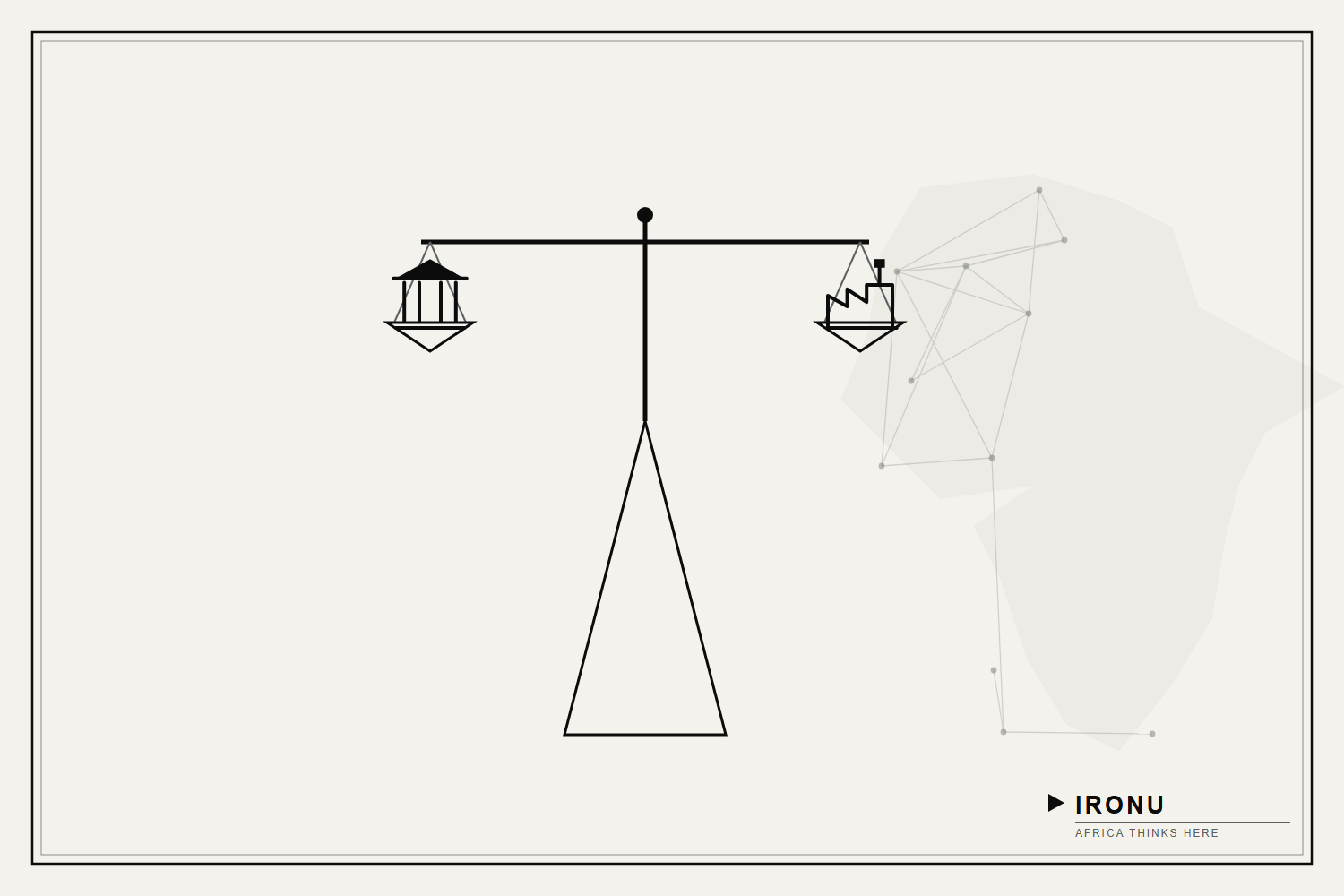

It is tempting to read the launch of a continental market as the achievement of a summit — a photograph of leaders in Niamey, a signature, a milestone. But a trade area does not run on declarations; it runs on the institutions that implement it, day after unremarkable day. This week, African leaders launched the operational phase of the African Continental Free Trade Area, activating rules of origin, tariff schedules, a trade information portal and a non-tariff barrier reporting mechanism. Read through the Profiles lens, the question is not who stood on the stage. It is whether the outcome depends on a few leaders or on institutions that have built repeatable execution capacity.
The Execution Turn: From Signing to Operating
The move announced in Niamey is significant precisely because it is an execution turn, not a founding gesture. The agreement was already signed; what leaders launched this week is the machinery to apply it. That shift — from the politics of agreement to the administration of instruments — is where continental projects have historically stalled.
The distinction matters for anyone assessing leadership. Signing a treaty is an act of political will, often concentrated in a handful of heads of state. Operating one is an institutional task, distributed across trade ministries, customs authorities, regional secretariats and a continental administration that must publish schedules, run a portal and process barrier reports. The launch tests whether that second, quieter capability exists.
The hard leadership is not the signature; it is the follow-through no one photographs.
The Institution Question: One Leader or Repeatable Capacity
Every ambitious African initiative faces the same vulnerability: does it depend on the energy of one champion, or has it been built to survive that champion’s departure? A trade area run on personal momentum is fragile; one run on institutional routine is durable.
The design of this launch leans, at least in intent, toward the durable. Rules of origin, tariff schedules and reporting mechanisms are administrative instruments, meant to be operated by officials following procedures, not by principals making decisions. In West Africa, ECOWAS and WAEMU already carry decades of institutional trade administration — imperfect, but real — that the continental layer can draw on rather than build from nothing. The test ahead is whether continental and regional institutions can execute in concert, repeatably, without a summit to convene them each time.
An initiative that needs its founder in the room is an initiative that has not yet been built.
The Operator’s Read on Leadership: Judge the Machine, Not the Moment
For West African operators, the leadership lesson is practical rather than admiring. When deciding whether to trust a framework enough to invest behind it, the signal to watch is institutional capability, not political theatre. Does the trade information portal actually get populated? Do reported non-tariff barriers get resolved? Do tariff schedules get published and honoured at the border?
Those are the metrics of execution, and they reveal whether the people running the AfCFTA have built a machine or staged an event. The operators who read this correctly will judge the initiative by its administrative follow-through in the months ahead, not by the strength of the launch. Institutional reliability, not charisma, is what a balance sheet can be committed against.
Bet on the institution that executes when no one is watching, not the leader who convenes when everyone is.
The Operator Decision: Trust the Framework, or Test It First
For a West African operator today, the launch reframes a question of trust. A firm can decide to move early, betting that the institutions will deliver, or hold back until the execution record accumulates. Either way, the sensible discipline is to watch the same signals: published schedules, a working portal, resolved barriers, honoured rules at real borders.
What is knowable on 7 July 2019 is that the continental framework has passed from agreement to operation, and that its success now rests on institutional execution rather than further summitry. The leaders have done the visible part. Whether the institutions have built repeatable capacity is the part that will decide it — and the part worth watching most closely.
The launch was leadership; the delivery will be the institution.