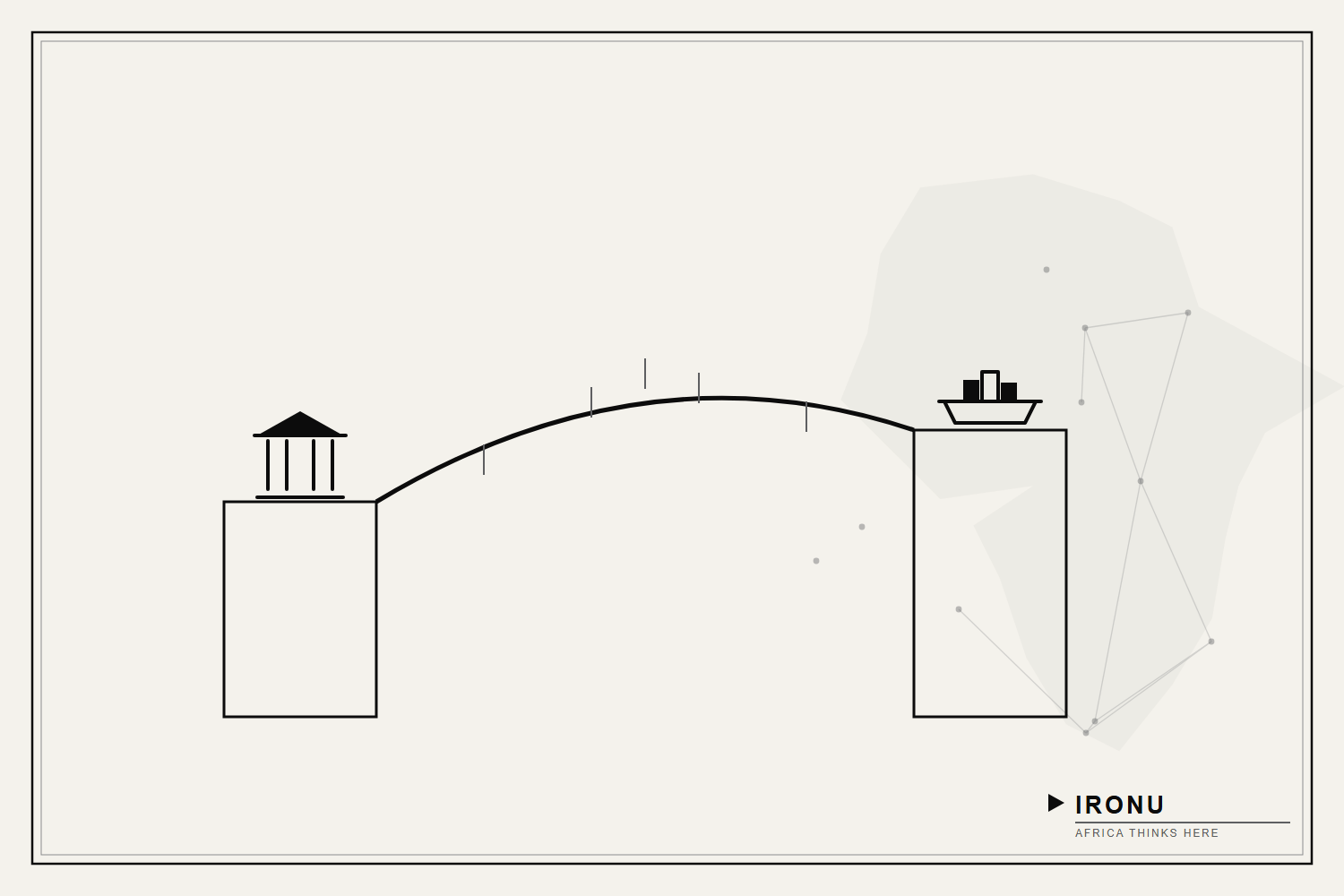

It is easy to celebrate a bridge and hard to say who built it. A ribbon-cutting produces a photograph; it does not, by itself, tell you whether an institution has learned to deliver again, or whether one determined leader dragged a single project over the line. As the Senegambia Bridge opens to traffic this week across the River Gambia, replacing a ferry that had throttled the Trans-Gambia corridor for a generation, the more useful question for any operator is not who cut the ribbon but what the delivery reveals about execution capacity in the region.
The Execution: Delivery Is the Rare Skill
West Africa does not lack plans; it lacks completed ones. Corridor studies, feasibility reports and signed communiqués are abundant, and the graveyard of stalled infrastructure is well populated. Against that background, a fixed link that actually opens and carries traffic is itself an achievement of execution — of financing assembled, contractors managed, cross-border agreements held together long enough to pour concrete over a river. The Senegambia Bridge, reported to cut transit time along the corridor connecting Senegal, The Gambia and the wider ECOWAS road network, belongs in the small category of promises that became assets.
The leadership lesson begins there: in this market, the scarce capability is not vision but completion. An operator’s respect should attach to the parties that closed the gap between announcement and traffic, not to those who merely announced.
In a region rich in plans, the rare leaders are the ones who finish.
The Institution: One Champion or a Repeatable Capacity?
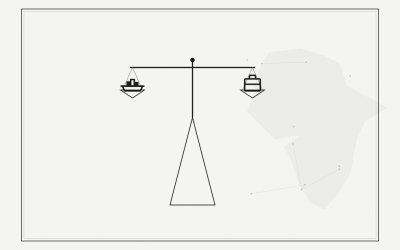
The deeper test is whether the delivery was personal or institutional. Some projects succeed because a single minister, financier or engineer refused to let them fail; when that person moves on, the capability leaves with them. Others succeed because an institution has built repeatable systems — procurement that works, financing partners it can call on, project management that survives a change of personnel. The first produces a monument; the second produces a pipeline.
The presence of a multilateral partner in a project like this matters for exactly this reason. Institutions such as the African Development Bank bring not only capital but process — appraisal discipline, procurement standards and a delivery method that can be run again on the next crossing. That is how a one-off becomes a capacity. Whether The Gambia and its partners have absorbed that method, or merely hosted it once, is the question that decides what comes after the bridge. The public record on the delivery team and its institutional continuity is thin as of today [TK].
A project proves a champion; a pipeline proves an institution.
The Capability: What Investors Are Really Underwriting
For an investor or partner, the leadership read is a form of due diligence. Backing infrastructure in a market is, in practice, backing the institutions that will deliver and maintain it. A completed bridge is evidence — not proof — that the relevant agencies can assemble financing, manage a complex build and coordinate across a border. The next signal to watch is maintenance: the discipline to fund upkeep and manage tolling in Dalasi over the asset’s life separates institutions that build from institutions that merely open.
Execution capability also compounds. The team that delivers one corridor node learns lessons — on contracting, on cross-border coordination, on traffic forecasting — that lower the cost and risk of the next. An operator assessing where to commit capital should weigh that learning curve as an asset in its own right, and should ask whether it sits inside an institution or inside a single career.
Invest in the institution that can do it twice, not the leader who did it once.
The Decision For The Operator
As of today, the Senegambia Bridge is a working demonstration that a difficult cross-border project can be delivered in this region — a genuine and slightly under-celebrated fact. For a founder, financier or public partner, the decision implication is to look past the opening ceremony to the delivery machinery behind it, and to prefer partners whose success is systemic rather than personal. Ask who holds the maintenance obligation, who owns the delivery method, and whether the capability that built this crossing can be pointed at the next one. The bridge is built. The more valuable question is whether the institution that built it can build again.
Back the capacity to repeat, and the single project takes care of itself.