
The Trans-Gambia corridor always had the geography of a shortcut and the economics of a detour. To move goods between the north and south of Senegal, the fastest line ran through The Gambia — and then halted at a ferry across the river, where a crossing measured in hours or days erased the advantage the map promised. With the opening of the Senegambia Bridge this week, that detour becomes a through-route, and a long-standing regional opportunity finally has the infrastructure to be tested rather than merely discussed.
The Anchor: The Missing Link Installed
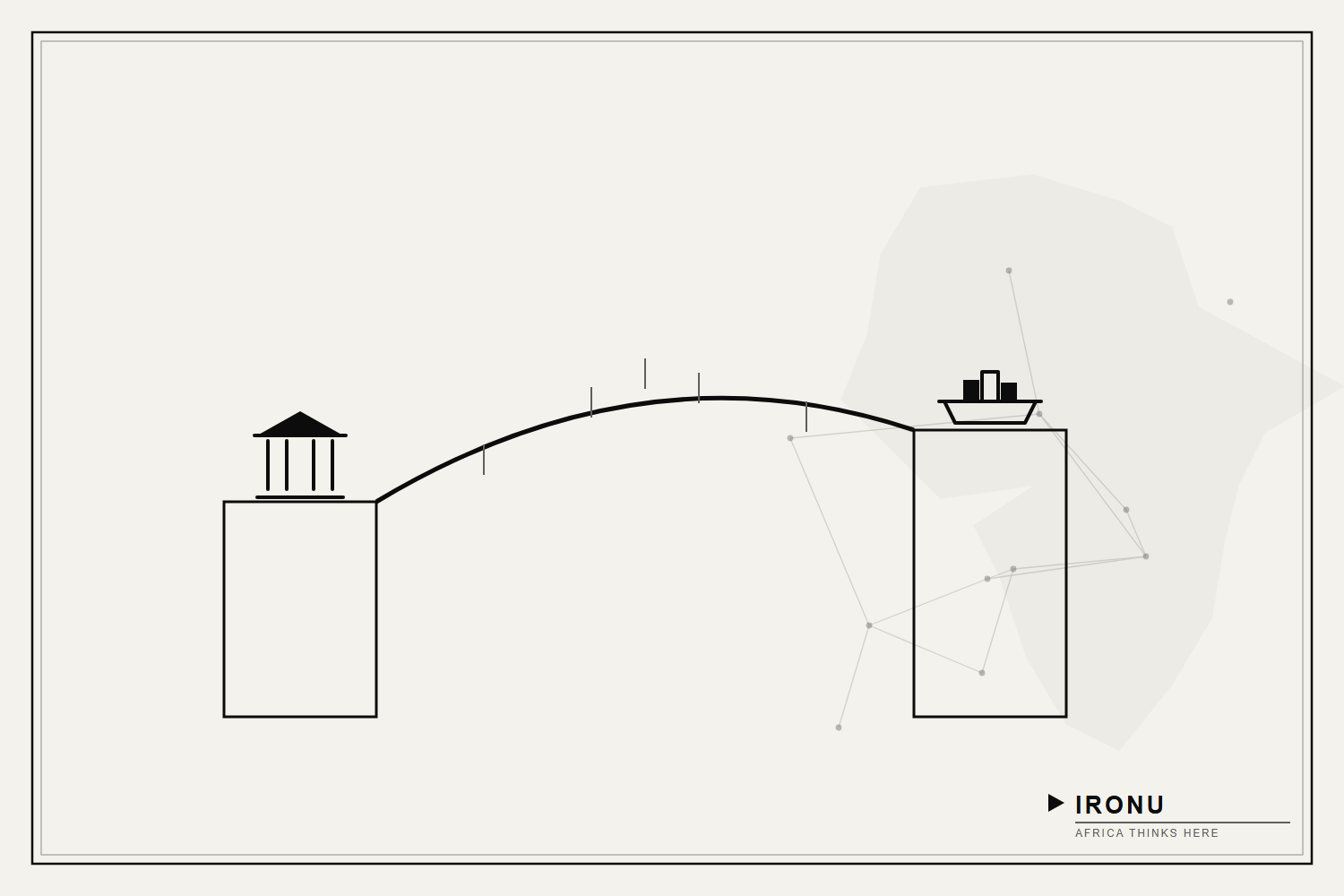
The bridge is a cross-river fixed link across the River Gambia, replacing the ferry bottleneck and cutting transit time between northern and southern Senegal, with expected gains in freight, tourism and regional mobility. The African Development Bank has described the crossing as a symbol of regional integration in West Africa, and for once the symbolism rests on something physical: a piece of the ECOWAS road network that was theoretical is now paved.
The opportunity this creates is not abstract. Every hour a lorry no longer spends queuing at a ferry ramp is an hour of vehicle utilisation, driver time and perishable-cargo life returned to the operator. Multiply that across the freight that uses the corridor and the case for building around the crossing writes itself. The bridge converts a regional aspiration into a schedulable route.
The Business Case To Test
An opportunity is not a certainty, and the disciplined operator treats the bridge as a hypothesis to be checked. The case rests on three assumptions worth interrogating before committing capital. First, that transit times stay low once volumes build — which depends on customs and border handling on both banks, not only on the structure itself. Second, that maintenance and engineering capacity keep the link sound over its life. Third, that land, permits and compensation along the corridor allow supporting facilities to be built where they are needed.
Those are the variables that decide whether the corridor delivers. The years of construction that preceded the opening, noted in the Reuters report on the crossing, are a reminder that hard infrastructure in this region is achievable but slow, and that the soft infrastructure around it often lags the concrete. Test the border and the upkeep before you price the traffic.
The Regional Opportunity For The Gambia
For The Gambia, the bridge reframes the national proposition. A country the corridor once had to get through becomes a corridor the region relies on. That opens dalasi-denominated opportunities in transit services, logistics, warehousing and roadside commerce around the approaches, and positions The Gambia to capture value from trade that previously only passed over its ferry. The link strengthens a strategic route connecting Senegal, The Gambia and the wider ECOWAS network, and integration on this axis tends to compound as reliability builds confidence.
The regional lesson is that corridors, not single projects, create markets. A bridge on its own is an engineering achievement; a bridge embedded in a reliable, well-serviced route is an economic system. The Gambia’s opportunity is to build and hold the second, not to celebrate the first and stop. Own the corridor’s reliability, and the traffic becomes an annuity.
What The Operator Should Do Now
The decision is one of staged commitment. The prudent path is to secure optionality now — land near the approaches, logistics and warehousing footprints, transport and service contracts — while pacing hard capital to the evidence. Enter first where demand is already visible and exits are clean: transport, freight services, vehicle maintenance and roadside commerce. Hold heavier, longer-dated bets until the border-handling and maintenance questions resolve.
Monitor the signals that prove or puncture the case: sustained low transit times, growing freight volumes, and functioning cross-border processing. If those hold, the Senegambia Bridge is the anchor of a genuine regional logistics market and early positioning pays; if they slip, patience costs little and overcommitment costs plenty. Back the corridor that performs, and let the evidence, not the ribbon-cutting, size your bet.